For San Diego buyers and sellers, the smartest move is to work with Jeffsellssandiego to coordinate a locally vetted, licensed, NABCEP-backed solar installer before any offer is written or accepted. Start here:
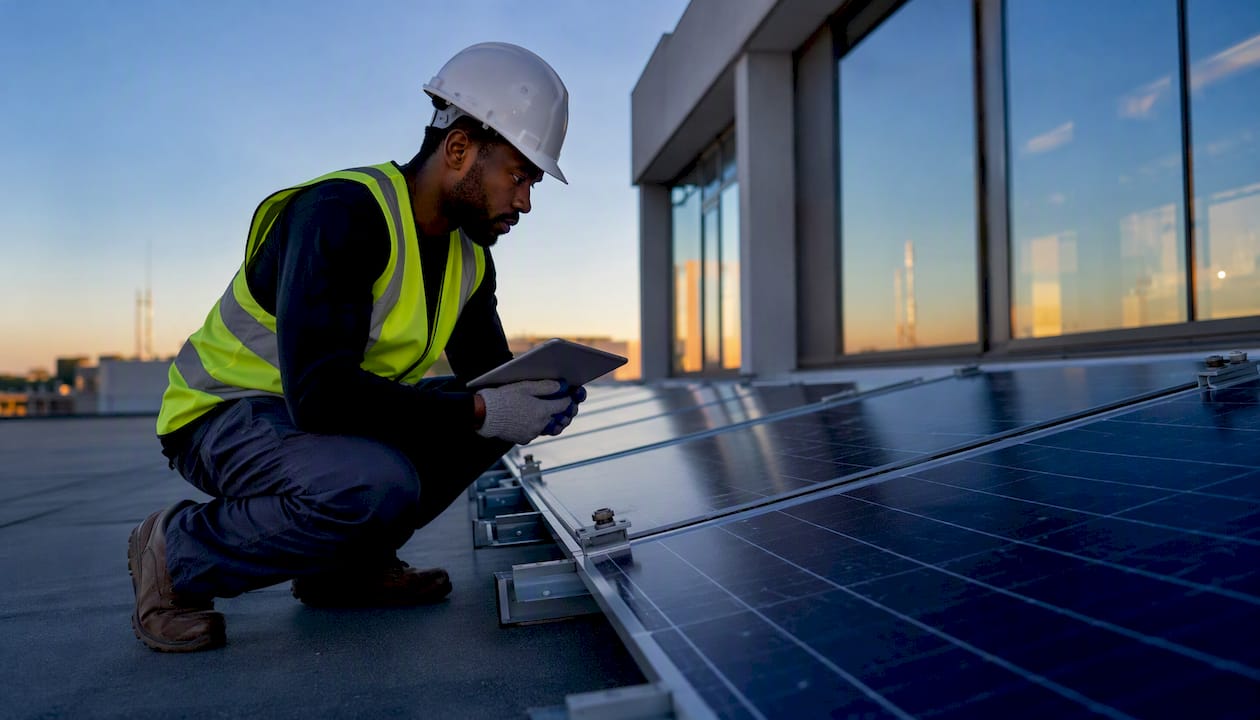
- Request a site survey from at least three local installers, not just one.
- Get written quotes that include battery storage pricing, estimated annual kWh production, and modeled savings under SDG&E's current time-of-use rates.
- Confirm credentials upfront: CSLB license number, active insurance, and NABCEP-certified installer or certified electrician on staff.
- Ask about three local programs early: the City of San Diego Solar Equity Program (SDSEP), SDG&E interconnection and net metering, and the Federal Investment Tax Credit (ITC) via IRS guidance — all three affect your net cost and closing timeline.
Table of Contents
- How Jeffsellssandiego helps you navigate solar during a transaction
- San Diego solar programs and credentials every buyer and seller should compare
- What credentials and documents to demand from every installer
- San Diego programs, permitting, and what they mean for your closing date
- How solar ownership type affects your sale or purchase
- Red flags and a contract-review checklist for escrow
- How to verify an installer's reputation quickly
- What San Diego solar typically costs and how long it takes
How Jeffsellssandiego helps you navigate solar during a transaction
Jeffsellssandiego doesn't install panels. What the team does is protect your transaction from solar-related surprises that derail closings or kill appraisals.

For sellers, that means reviewing installer credentials, checking that written estimates include battery compatibility and production projections, and flagging ownership structures (lease vs. loan vs. owned) that complicate buyer financing. For buyers, it means knowing whether a system is transferable, whether a loan rides with the title, and what the SDG&E interconnection status is before you remove contingencies.
Jeffsellssandiego can provide a referral list of vetted local installers, a contract-review checklist for solar warranties and permits, and help scheduling a walkthrough with an installer during escrow. Sellers preparing to list can find pricing strategy context in the seller's guide, and buyers evaluating homes with existing systems can start with the buyer's guide.
San Diego solar programs and credentials every buyer and seller should compare
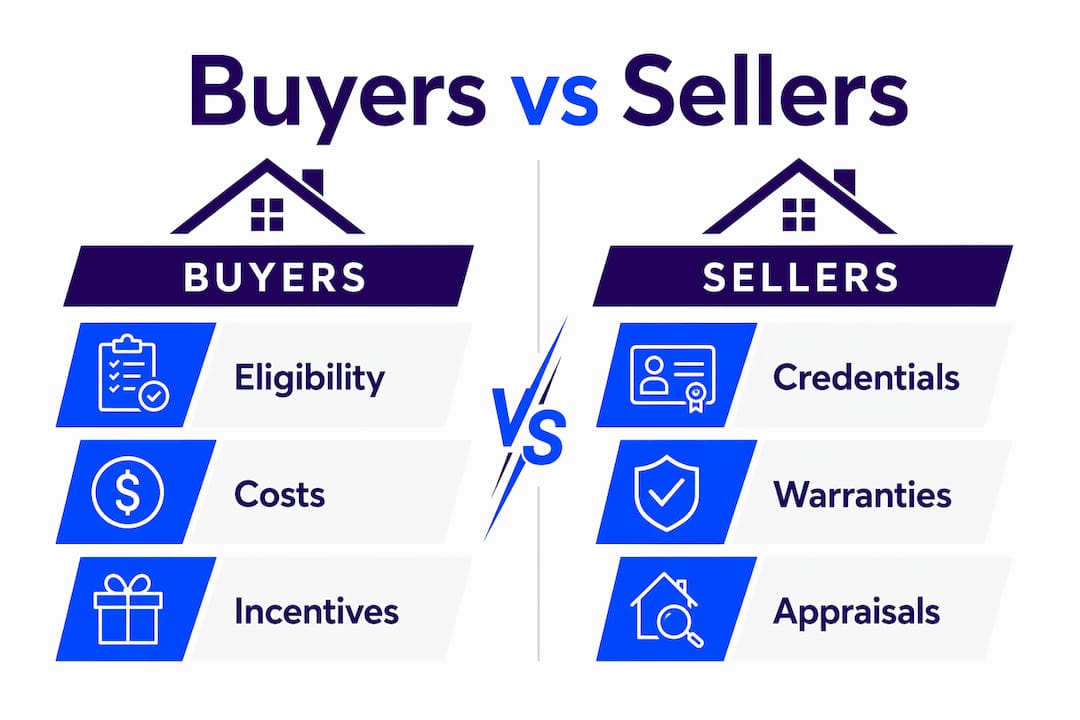
These four entities shape cost, eligibility, and closability for any San Diego residential solar transaction.
| Program / Credential | Best For | Pricing Shape | Financing Options | Battery Compatibility | Warranties | Permitting & Interconnection | Installer Credentials Required |
|---|---|---|---|---|---|---|---|
| SDSEP | Income-qualified single-family homeowners | Offsets upfront install cost | Program subsidy; pairs with cash or loan | Compatible with approved systems | Varies by installer | Installer must be program-approved | SDSEP-approved installer |
| NABCEP certification | Any homeowner prioritizing technical quality | No direct cost impact | N/A | Applies to any system | Higher workmanship standards | Supports code-compliant installs | NABCEP-certified tech or electrician |
| SDG&E interconnection & net metering | Any homeowner connecting to the grid | Affects payback via TOU rates | N/A | Battery extends TOU savings | Utility agreement terms | Required for all grid-tied systems | Licensed contractor |
| Federal ITC / IRS | Owners (not lessees) claiming tax credits | Reduces net system cost ~30% | Cash or loan only | Applies to battery if solar-paired | N/A | No direct impact | Licensed installer |
Key negotiation points for transactions:
- Owned systems (cash or loan) transfer with the home and typically add appraised value. Loan balances secured against the property must be disclosed and resolved at closing.
- Leased systems or PPAs require buyer qualification and lender approval — some mortgage programs reject them outright.
- SDSEP paperwork carries obligations; confirm the installer has handled program documentation before listing.
What credentials and documents to demand from every installer
- CSLB license number — verify it at the California Contractors State License Board website. Confirm the license is active and covers C-10 (electrical), C-46 (solar), or both.
- Active general liability and workers' comp insurance — request certificates, not just verbal confirmation.
- NABCEP certification or certified electrician on staff — ask for the credential number.
- Written production estimate — cost per watt, estimated annual kWh, modeled savings under current SDG&E TOU schedules, and degradation assumptions.
- Full warranty text — module warranty (typically 25 years), inverter warranty, workmanship warranty (minimum 10 years), and battery cycle/throughput language if storage is included.
- Permit pull and SDG&E interconnection support — confirm the installer handles both, not a subcontractor with no direct accountability.
Red flags: high-pressure close tactics, performance guarantees without written kWh projections, warranties with no transfer language, and quotes that omit permit or inspection support.
Pro Tip: Independent local contractors often cost 10%–30% less than national installers because of lower overhead — but verify their warranty backing and financial stability before signing.
San Diego programs, permitting, and what they mean for your closing date
- SDSEP is a 10-year City of San Diego program for income-qualified single-family homeowners. Installers must be program-approved; confirm this before signing any contract, and ask who handles the paperwork.
- Battery pairing matters in California. SDG&E's time-of-use rates reduce the value of solar-only exports. Batteries store daytime production for peak-rate evening hours and provide backup during outages — a real value factor for buyers in neighborhoods with grid reliability concerns.
- Permitting-to-interconnection sequence: site survey → permit submission → install → inspections → SDG&E interconnection. The two most common delays are permit backlog at the city and the SDG&E utility queue. Budget 8–12 weeks from contract to full interconnection approval.
Closing timeline note: If a seller is completing a solar install before close, build permit and interconnection milestones into the contract as contingencies. A system that hasn't cleared SDG&E interconnection is not yet operational — and that matters to buyers and appraisers.
Installers approved for SDSEP, SGIP, and SDCP battery programs can simplify rebate paperwork significantly.
How solar ownership type affects your sale or purchase
- Owned outright: Cleanest transaction. System transfers with the deed; no lender approval needed for the solar arrangement itself. Gather production estimates and warranty documents for the appraiser.
- Solar loan secured against the property (PACE/HERO-style): Rides with the title. Buyer inherits the obligation. Disclose the balance, confirm lender acceptance, and consider payoff at closing if the buyer's lender objects.
- Lease or PPA: Buyer must qualify with the third-party owner. Some conventional and FHA loan programs flag these. Ask the listing agent for the transfer packet early — delays here are common.
- Questions to include in purchase offers: Is the system owned or financed? What is the remaining loan or lease balance? Who is responsible for removal if the buyer declines to assume it? Is the workmanship warranty transferable?
For how solar affects appraisals in San Diego, documentation is everything — production estimates, permit records, and warranty assignments all factor into what an appraiser can credit.
Red flags and a contract-review checklist for escrow
Watch for these during due diligence:
- Missing workmanship warranty or one shorter than 10 years
- No permit or inspection proof — ask for the city permit number and final inspection sign-off
- Ambiguous performance guarantees without written kWh projections
- Subcontractor-only crews with no direct contractor responsibility for defects
- Lease/PPA with no clear transfer process documented in writing
Contract checklist before closing:
- Explicit warranty durations for modules, inverter, battery (cycle count and throughput), and workmanship — and who holds each
- Evidence of pulled permits and passed inspections
- Labor warranty covering roof penetrations and mounting hardware
- Inverter replacement terms (who pays after warranty expiration)
- Written confirmation that the workmanship warranty transfers to the new owner
If a red flag surfaces during escrow, request a corrective clause, an escrow holdback equal to the repair estimate, or require the seller to resolve the issue before close.
How to verify an installer's reputation quickly
- Ask for two recent local references — installs completed within the past 12 months — and request permission to view their monitoring data or production estimates.
- Verify the CSLB license number directly at the state board website. Confirm it's active and not under disciplinary action.
- Check for at least five years in business — longer operating history increases the likelihood the company will still exist when a warranty claim arises.
- On-site inspection checklist: neat conduit runs, visible brand/model labels on inverters and batteries, permit stickers on the panel, and clean roof penetrations with no visible gaps or improper flashing.
- Review signals that matter: recent project photos with dates, consistent and professional responses to negative reviews, and a copy of the workmanship warranty in the contract — not just a verbal promise.
Manufacturer certifications from Enphase, Tesla, or SolarEdge, plus C-10/C-46 licensing, indicate hands-on experience with storage and EV charger integration — worth asking for if the home includes or will include a battery or charger.
What San Diego solar typically costs and how long it takes
| Milestone | Typical Duration | Common Delays |
|---|---|---|
| Site survey | 1–3 days to schedule | Installer availability |
| Permit submission | 1–3 weeks | City backlog |
| Installation | 1–2 days on-site | Weather, panel availability |
| City inspection | 1–2 weeks | Inspector scheduling |
| SDG&E interconnection | 2–6 weeks | Utility queue |
| Total: contract to live | 8–12 weeks | Permit + utility queue |
Cost drivers to discuss in every quote:
- System size (kW) and panel efficiency tier
- Inverter type (string vs. microinverter) and brand
- Service panel upgrade requirement (adds cost and permit complexity)
- Battery inclusion — pricing varies significantly by chemistry and capacity
Independent contractors often price 10%–30% below national installers. Get at least three quotes, including one from a smaller local firm, to see the full range. For sellers, understanding how home value factors interact with solar upgrades helps set realistic pricing expectations before listing.