
A home appraisal is a licensed appraiser's unbiased opinion of a property's fair market value, used by mortgage lenders to confirm the loan amount does not exceed what the home is actually worth. The formal industry term is "real property appraisal," though most buyers and sellers in San Diego simply call it a home appraisal. Whether you are buying your first condo in North Park or selling a house in Point Loma, the appraisal sits at the center of every financed transaction. Understanding how it works protects you from costly surprises at the closing table.
What is a home appraisal and why does it matter?
A home appraisal is the lender's financial safety net. Lenders require appraisals to confirm the property they are financing is worth the amount they are lending. Without this step, a lender could issue a $900,000 mortgage on a home worth $750,000, creating serious financial exposure.
The appraisal is independent by design. Appraisers must remain objective, free from pressure by buyers, sellers, real estate agents, or lenders. This independence is what makes the report credible to all parties in the transaction.
For San Diego buyers and sellers, the appraisal also functions as a reality check on pricing. San Diego's market moves fast, and offer prices can climb well above asking. The appraisal anchors the transaction to documented, comparable market data rather than bidding war emotion.
How does the home appraisal process work in San Diego?
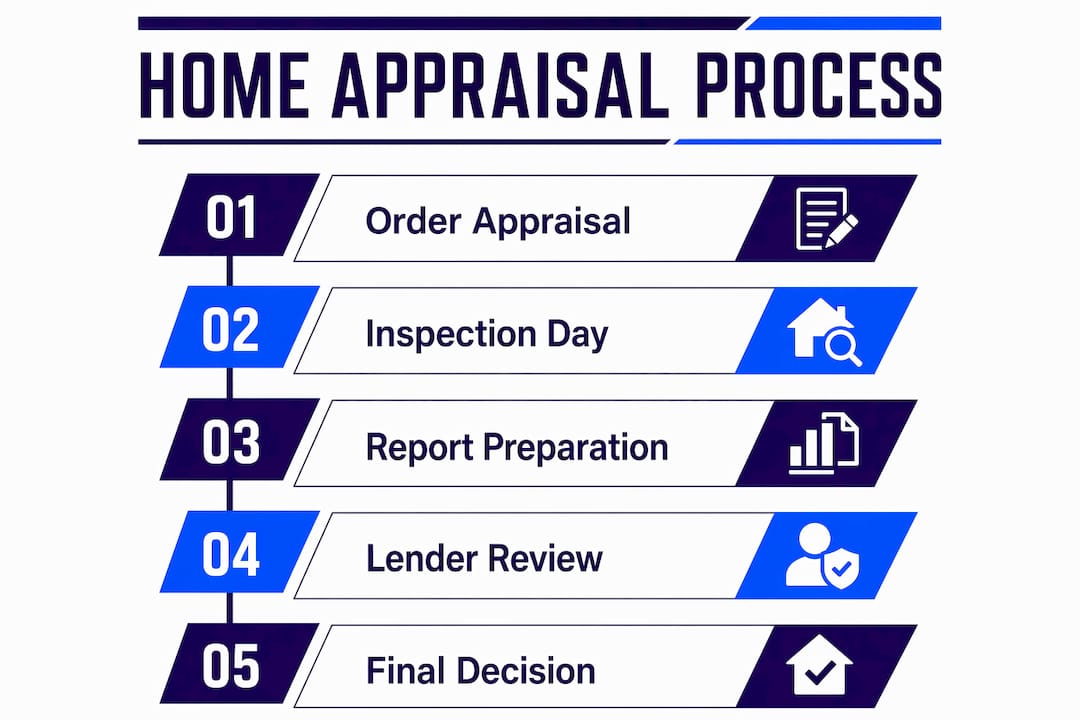
The appraisal process follows a predictable sequence once you are under contract. Here is how it unfolds step by step:
- Lender orders the appraisal. After the purchase offer is accepted and the contract is signed, the lender places the order through an appraisal management company to preserve appraiser independence.
- Appraiser schedules the visit. A licensed appraiser contacts the listing agent to arrange access. Most San Diego appraisals involve an in-person inspection, though some lenders accept remote or desktop appraisals for lower-risk loans.
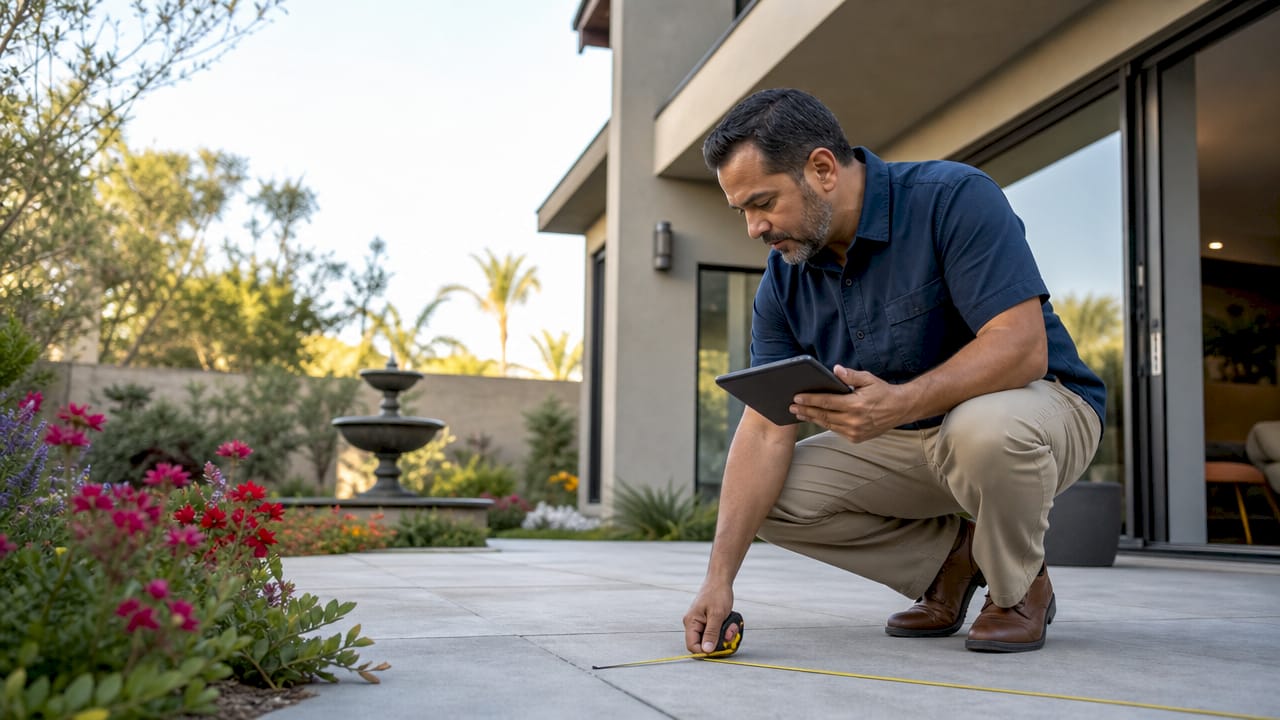
- Property inspection takes place. The appraiser walks the home, measuring square footage, noting condition, and photographing key features. This visit typically takes 30 minutes to two hours depending on property size.
- Comparable sales research. The appraiser pulls recent sales of similar homes in the same neighborhood or zip code. In San Diego, this means finding homes with comparable size, age, and condition that sold within the past six months.
- Report is completed and delivered. The appraiser writes a formal report and submits it to the lender. Federal law gives borrowers the right to receive a copy of the appraisal at least three days before closing.
Pro Tip: Ask your lender for a copy of the appraisal as soon as it is available. Reviewing it early gives you time to identify errors or missing comparable sales before closing pressure builds.
What key factors influence home appraisal value in San Diego?
Appraisers weigh a combination of property-specific features and local market conditions. In San Diego, both categories carry significant weight because the market is hyperlocal. A home in La Jolla and a similar home in Lemon Grove will appraise very differently even if their physical characteristics match.
Property-level factors appraisers evaluate:
- Square footage and usable living space
- Age of the home and overall condition
- Foundation, roof, and structural integrity
- Kitchen and bathroom updates
- Number of bedrooms and bathrooms
- Garage, parking, and outdoor space
- Energy features like solar panels, which are common in San Diego
Neighborhood and market factors:
- School district ratings and proximity to top schools
- HOA fees and restrictions
- Flood zone or fire hazard designations
- Proximity to commercial corridors or transit
- Recent comparable sales prices within a half-mile radius
Neighborhood and market factors like distressed sales can pull appraisal values down even when a property is in excellent condition. This surprises many sellers who invested in renovations but did not account for what was selling nearby.
One fact that catches San Diego sellers off guard: cosmetic improvements rarely move the needle on appraised value. Fresh paint and new landscaping look great for showings, but appraisers weight condition and comparable sales far more heavily than surface updates. Documented major improvements like a new roof, HVAC system, or ADU addition carry real weight.
| Factor | Impact on appraisal |
|---|---|
| Square footage | Direct and measurable; larger homes appraise higher within the same market |
| Roof and foundation condition | Poor condition can trigger required repairs before loan approval |
| Recent comparable sales | The primary benchmark; sets the value ceiling in most cases |
| School district | Strong districts like Poway Unified consistently support higher values |
| Flood or fire hazard zone | Can reduce value and affect insurance costs, both noted in the report |
For a deeper look at what drives value in San Diego neighborhoods, the home value factors guide from Jeffsellssandiego breaks down each element with local context.
How does a home appraisal differ from a home inspection?
These two services are frequently confused, but they serve completely different purposes. An appraisal assesses market value for the lender. A home inspection identifies physical defects and safety issues for the buyer. One protects the bank. The other protects you.
| Home appraisal | Home inspection | |
|---|---|---|
| Purpose | Determine fair market value | Identify defects and safety issues |
| Who orders it | Lender | Buyer |
| Who pays | Buyer (via closing costs) | Buyer (paid at time of inspection) |
| Result | Dollar value opinion | Condition report with repair recommendations |
| Required for loan? | Yes, for most financed purchases | No, but strongly recommended |
The appraiser may note obvious visible defects like a missing handrail or a damaged roof, but that notation is in service of value, not safety. The appraiser will not test outlets, run the dishwasher, or check for mold. A licensed home inspector does all of that.
Pro Tip: Schedule your home inspection before the appraisal if possible. If the inspector finds significant issues, you can address them or renegotiate before the appraiser arrives, which may support a stronger appraisal outcome.
Buyers should budget for both services independently. Skipping the inspection because you already paid for an appraisal is a common and costly mistake in San Diego's competitive market.
What happens when the appraisal comes in low?
A low appraisal creates what the industry calls an appraisal gap. When an appraisal comes in below the purchase price, the lender will only approve a loan based on the appraised value, not the contract price. The gap between those two numbers becomes the buyer's problem to solve.
San Diego buyers in competitive neighborhoods face this situation regularly. A home listed at $1,100,000 that appraises at $1,040,000 leaves a $60,000 gap. Here are the realistic options:
- Pay the gap in cash. The buyer covers the difference out of pocket, bringing extra funds to closing. This is common in San Diego's high-demand areas where buyers are motivated.
- Renegotiate the purchase price. The buyer requests a price reduction to match the appraised value. Sellers are not obligated to agree, but many do rather than restart the process.
- Request a Reconsideration of Value (ROV). A Reconsideration of Value is a formal, evidence-based request asking the appraiser to review the report using new or overlooked comparable sales. It is not a complaint or a negotiation. It is a structured submission of objective data.
- Walk away. If the contract includes an appraisal contingency, the buyer can exit without penalty. Most San Diego purchase agreements include this protection.
The ROV process works best when there is a genuine error, such as a missed comparable sale or an incorrect square footage measurement. ROVs help correct errors or add omitted comparable sales that the appraiser may not have considered. Submitting an ROV simply because you dislike the number rarely succeeds and can delay closing.
Typical appraisal costs run $314 to $424 as of 2026, varying by home size and location. That fee is paid by the buyer and appears in the loan disclosure documents.
Key Takeaways
A home appraisal is the lender's required, independent confirmation of property value, and in San Diego's fast-moving market, understanding its inputs and outcomes directly affects your financing, negotiating position, and closing timeline.
| Point | Details |
|---|---|
| Appraisal protects the lender | Lenders cap loan amounts at appraised value, not the purchase price. |
| Condition outweighs cosmetics | Major improvements like roofs and HVAC matter more than fresh paint to appraisers. |
| Appraisal and inspection are separate | Budget for both. One determines value; the other finds defects. |
| Low appraisals have solutions | ROV, price renegotiation, or paying the gap are all viable paths forward. |
| Local comparables drive the number | San Diego's hyperlocal market means neighborhood sales data is the primary value anchor. |
What I have learned about appraisals in San Diego's market
After working with buyers and sellers across San Diego neighborhoods, the single biggest misconception I see is that the appraisal is just a formality. Buyers assume the home will appraise at the contract price because both parties agreed to it. That is not how it works.
The appraiser answers to the lender, not to the deal. I have seen transactions in neighborhoods like Mission Hills and Normal Heights where multiple offers pushed the price well above what comparable sales could support. When the appraisal came in low, buyers who had not planned for that scenario were caught off guard.
My advice to sellers is specific: document every major improvement with permits, receipts, and contractor records before the appraiser arrives. A new roof with documentation is an asset the appraiser can credit. A new roof with no paperwork is just something the appraiser has to take your word for.
For buyers, the appraisal contingency is not a weakness in your offer. It is a financial protection. In a market where homes regularly sell above asking, waiving that contingency without a clear plan to cover a potential gap is a real risk. Know your numbers before you make that call.
The appraisal process in San Diego is manageable when you understand what drives the outcome. Work with an agent who knows the local comparable sales, prepare your documentation in advance, and treat a low appraisal as a data point to address, not a deal-killer.
— Jeff
Jeffsellssandiego can help you navigate the appraisal process
Understanding the appraisal is one piece of a successful San Diego transaction. Jeffsellssandiego works with buyers and sellers across San Diego neighborhoods, helping clients prepare for appraisals, respond to appraisal gaps, and negotiate with confidence.

Whether you are ready to search active listings or want guidance on positioning your home for a strong appraisal outcome, Jeffsellssandiego brings local market knowledge to every step. Sellers can also review the seller's guide for practical advice on preparing your home and understanding what appraisers look for in San Diego's current market. Reach out directly for a conversation about your specific situation.
FAQ
What is a home appraisal in simple terms?
A home appraisal is a licensed professional's written opinion of what a property is worth on the open market. Lenders use it to confirm the home's value before approving a mortgage.
How much does a home appraisal cost in San Diego?
Appraisal costs typically range from $314 to $424 as of 2026, depending on the home's size and location. The buyer usually pays this fee as part of closing costs.
How long does the home appraisal process take?
The in-person inspection usually takes 30 minutes to two hours. The full report is typically delivered to the lender within a few days to two weeks after the visit.
Can a seller dispute a low appraisal?
Yes. The buyer or seller can submit a Reconsideration of Value with new comparable sales data or evidence of appraiser error. This is a formal process, not a negotiation, and works best when there is objective data to support a higher value.
Is a home appraisal the same as a home inspection?
No. An appraisal determines market value for the lender. A home inspection identifies physical defects and safety issues for the buyer. Both are important, and neither replaces the other.