Zestimates are a reasonable starting point for San Diego homes, but they carry real error that shifts by neighborhood and property type. Zillow publishes nationwide median error rates, and academic studies add important caveats about bias and uneven data. Treat the number as orientation, then verify the home's facts and compare recent local sales before you price, offer, or refinance.
TL;DR:
- Zillow publishes separate nationwide median error rates for listed and unlisted homes; check its current figures and definitions because they change over time.
- Missing remodel records, thin sales activity, and unusual layouts widen errors; San Diego condos, small multifamily homes, and unpermitted spaces are harder to compare.
- Before pricing or offering, correct Zillow’s square footage, room counts, lot size, and upgrade details, then compare three recent nearby sales.
- Get an appraisal for mortgage underwriting, estate or settlement work, tax disputes, or critical pricing; consider a local market analysis when estimates conflict with comparable sales.
Table of Contents
- How accurate is the Zestimate, according to Zillow and researchers?
- Why does accuracy vary from one San Diego neighborhood to the next?
- What does this mean for San Diego buyers and sellers?
- How can you check and improve a Zestimate for your home?
- When should you rely on a Zestimate and when should you get an appraisal?
- An agent's view: the number is a conversation starter, not a price
- How our Home Valuation helps you check a Zestimate
- FAQ
- Sources
How accurate is the Zestimate, according to Zillow and researchers?
Zillow publishes its own accuracy figures, and the company says its Zestimate accuracy chart reports separate nationwide median error rates for on-market and off-market homes. Look up those exact percentages on Zillow's page, because they are updated over time and we will not restate them from memory. Independent work adds context:
- A New York City benchmark found Zestimates modestly outperformed list prices on median accuracy, yet both showed a systematic upward bias against official assessments.
- The same study found errors cluster by ZIP code and property type, with better results in homogeneous single-family areas.
- An older study of one market found Zillow overestimated sale prices on average, with large mispricings for many homes.
A Zestimate can miss by a wide margin on any single house, and the miss tends to lean high. A median error summarizes typical estimate error across a group of homes. It does not mean that half of homes will fall within a particular dollar amount of their estimate, so check Zillow’s definition when interpreting its figures.
The New York Times has also covered how Zillow's claimed error rates play out for buyers and sellers.
Why does accuracy vary from one San Diego neighborhood to the next?
Zestimates draw on three kinds of input, and Zillow's help page says the model combines public records, MLS data, and facts submitted by homeowners. NBER researchers describe the same mix. The model is only as good as what it can see:
- Public records can lag behind remodels, additions, and permit changes.
- MLS data is strong where homes sell often and thin where they do not.
- Owner-supplied facts fix errors only if someone actually updates them.
A UCLA analysis found that missing home-feature data widens the error spread and that lower transaction volume hurts accuracy. Error was also larger in poorer neighborhoods, which shows how much data quality drives results.
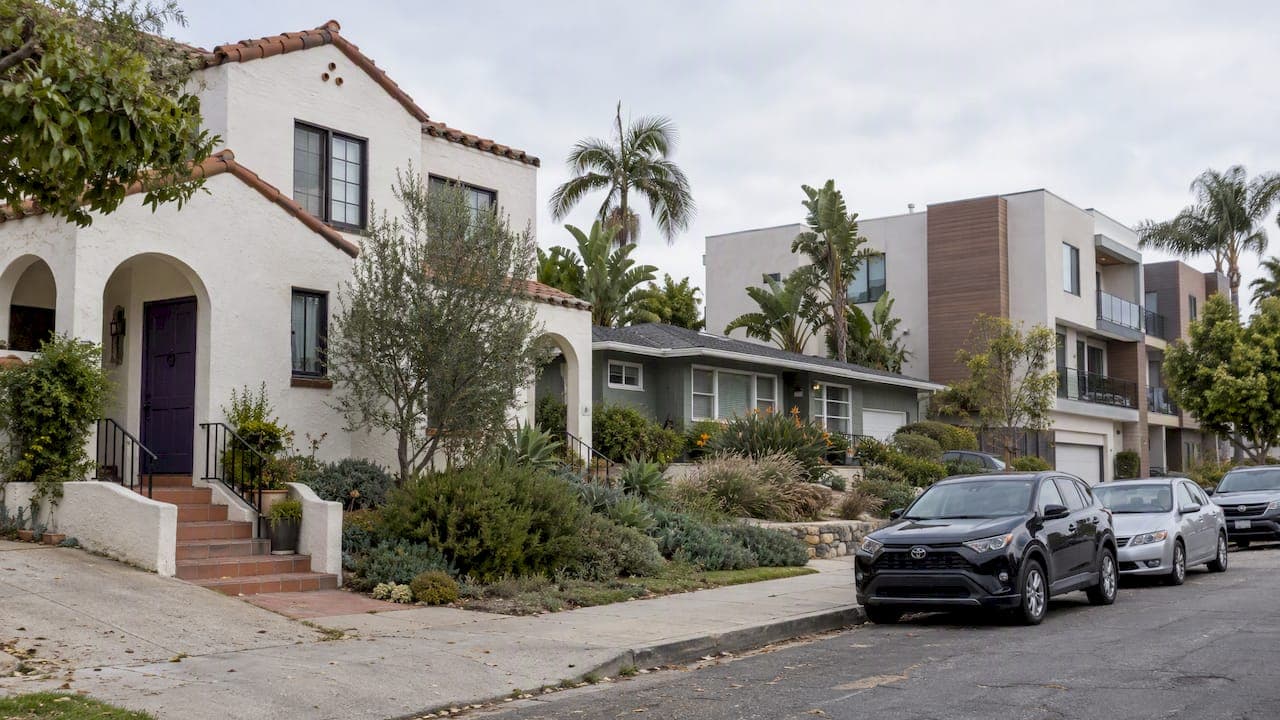
Neighborhood mix matters too. San Diego blends coastal condos, mid-century ranches, newer tract homes, and small multifamily buildings, sometimes within a few blocks. The more varied the housing, the harder it is for a model to pick true comparables.

Timing plays a role as well. The NBER paper reports that Zestimates update around listing events, and that their confidence intervals shrink after a home is posted.
Pro Tip: A Zestimate on a home that is not listed is working with less information than one on an active listing, so expect a wider miss before listing.
What does this mean for San Diego buyers and sellers?
Zestimates tend to behave best where homes are similar and sales are frequent, and worse where each property is unique. Our local read of how that plays out:
- Homogeneous single-family tracts with active sales are where Zestimates are most likely to land close, because the model has plenty of near-identical comparables.
- Heavily remodeled homes are often undervalued or overvalued, since upgrades may not appear in public records or the home's listed facts.
- Condos can drift when HOA dues, building amenities, or floor level are not captured, even though two units in one building look alike on paper.
- Small multifamily and homes with unpermitted space are the weakest fits, since income, layout, and legal status do not translate into a simple per-square-foot estimate.
- High-priced and unusual homes have few true comparables, so the estimate leans on loose matches.
For sellers, an inflated Zestimate can anchor expectations too high, and a low one can make a good home feel worth less than it is. For buyers, quoting a Zestimate in a negotiation rarely persuades a listing agent, because the list price rests on recent sold comps. Our guide to how to price San Diego property for maximum return shows how pricing is actually built, and our breakdown of home value factors explains what a model can miss.
How can you check and improve a Zestimate for your home?
You can take steps to improve a Zestimate. Work through this checklist:
- Correct the home facts on Zillow. Confirm square footage, bedrooms, bathrooms, lot size, year built, and major updates. Zillow says homeowners can edit facts to improve accuracy.
- Pull three recent sold comps in your neighborhood and compare each sale price with what the Zestimate would have said at the time.
- Check the Zestimate history and any range or confidence indicator, and note how the number moved after listing events, as the NBER paper describes.
- Order a local comparative market analysis or a formal appraisal if the results disagree in a meaningful way.
Upgrades can change what a buyer sees online, which is why practical value-adding improvements are worth documenting with dates and receipts before you update your facts.
Pro Tip: Keep a short file of permits, invoices, and photos for every upgrade, so your edits and any later valuation rest on proof.
When should you rely on a Zestimate and when should you get an appraisal?
Use the Zestimate for general orientation, such as watching a neighborhood trend or gauging a rough range. As a practical guideline, not an absolute rule, consider a local comparative market analysis or an appraisal when the Zestimate differs meaningfully from your comps.
An appraisal is the right tool when the stakes are formal:
- Mortgage underwriting
- Estate or settlement work
- A property tax dispute
- Any sale where accurate pricing is critical
The tradeoff is cost and time against the risk of mispricing. On a high-value San Diego home, a small percentage error is a large dollar amount, so a few days and a professional fee are often cheaper than an overpriced listing that sits. Our overview of the role of home appraisal in San Diego sales covers what to expect.
An agent's view: the number is a conversation starter, not a price
I have sold homes in San Diego, and the Zestimate shows up in conversations with clients. It is a fair way to start talking, but I rarely see it land on the final sale price without adjustment. My advice: double-check your facts on Zillow, compare recent local comps, and talk to a local agent for a comparative market analysis before you list or make a serious offer. When you are ready, our Home Valuation page is a simple next step.
— Jeff
How our Home Valuation helps you check a Zestimate

If a Zestimate surprised you, our Home Valuation turns it into a number you can act on. We look at your home the way a buyer will, not the way a model does. Here is what we do:
- Pull recent local sold comparables for your neighborhood
- Account for upgrades and condition that public records often miss
- Give you a pricing recommendation you can use to list or make an offer
Request one before listing, after an unexpected Zestimate, or before you write an offer. Start with our Home Valuation or the quick What's My Home Worth page, and tell us what the online number said so we can compare.
FAQ
How close is a Zestimate accurate?
Zillow publishes nationwide median error rates for on-market and off-market homes, and the figures differ between the two. On-market homes are generally estimated more closely, because the model has more current information. Any single home can still land well outside the median, so verify with local comps.
Are Zestimates usually low or high?
Research points toward an upward lean. The New York City benchmark found a systematic upward bias, and an older market study found overestimates on average. Results vary by area and property type, so your own home could land either way.
Why is my Zillow Zestimate wrong?
The usual cause is missing or outdated home facts, such as unrecorded remodels or the wrong square footage. Thin local sales data and unusual property features add to the error. Updating your home's facts on Zillow and comparing recent sold comps is the fastest fix.
Are home prices dropping in San Diego, CA?
A Zestimate cannot answer that reliably, since it reflects a model's view of one home rather than market direction. For a grounded read, see our look at what San Diego home prices mean for buyers and sellers, and compare current sold prices in your own neighborhood.
Sources
- How accurate is the Zestimate®? – Zillow Help Center
- NATIONAL BUREAU OF ECONOMIC RESEARCH 1050 Massachusetts Avenue Cambridge, MA 02138 March 2022
- Zestimate vs. Reality: Benchmarking Automated Valuations against New York City Assessments | Advances in Consumer Research
- How Does Zestimate Affect Housing Market Outcomes Across Socio-economic Segments?
- Can I Trust the 'Zestimate' for My Home on Zillow?