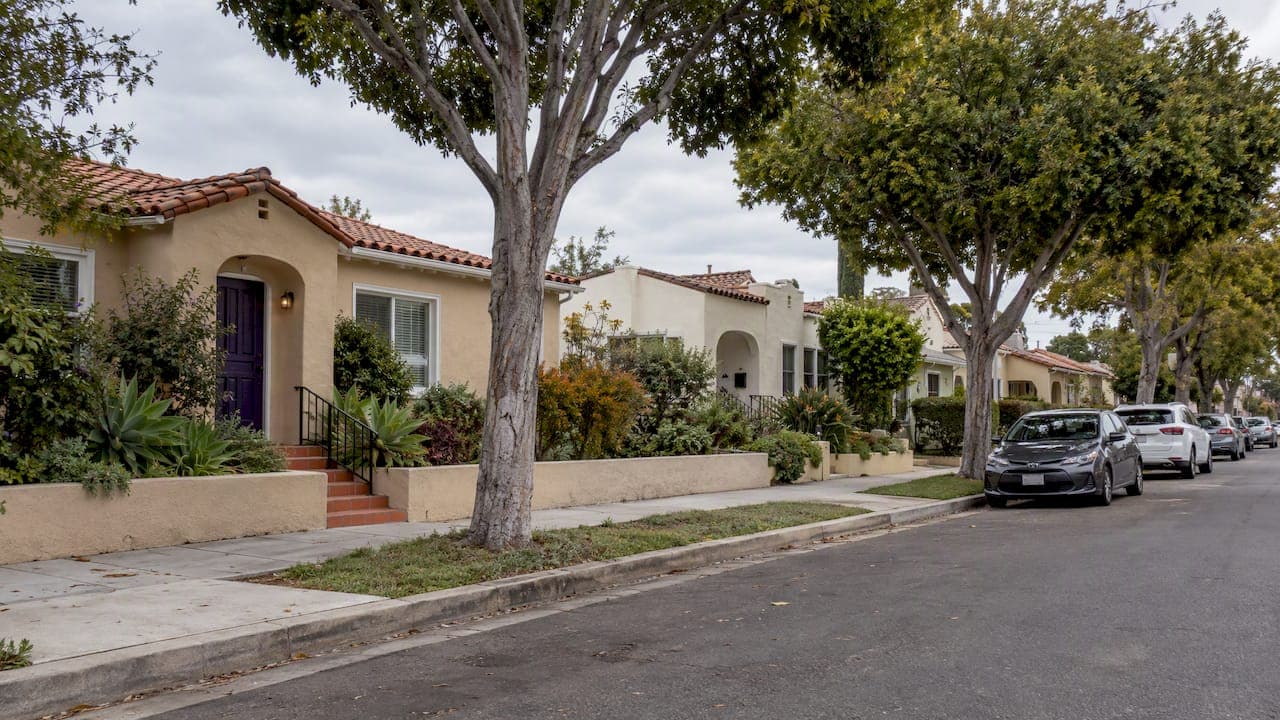
Chula Vista is a good place to live if you want a real city with suburban space, a typical home price below the coastal San Diego neighborhoods, and a community that feels settled. It is not a cheap place. The typical owner-occupied home is valued at about $758,700, and your experience depends heavily on which part of the city you choose. Below, we walk through the numbers, the neighborhoods (including the Eastlake versus Otay Ranch question), the commute, and who tends to be happiest here.
TL;DR
- Chula Vista is the second-largest city in San Diego County, with an estimated 275,533 residents in 2025 and more than 64 parks.
- Census figures put the median owner-occupied home value at $758,700 and median gross rent at $2,229, so affordability is the main friction for newcomers.
- The big trade-off is the older, more walkable western side versus the newer master-planned communities in the east, such as Eastlake and Otay Ranch.
- The mean commute is 28.6 minutes, so test your actual route at rush hour before you buy.
Table of Contents
- What Chula Vista is like
- The cost of living, with real numbers
- Neighborhoods: west, central and east
- Eastlake vs. Otay Ranch
- Commute and getting around
- Parks, weather and daily life
- Who tends to like it, and who might not
- Our perspective
- Moving from out of town, or selling first
- Ready to look at homes?
- FAQ
- Sources
What Chula Vista is like
Chula Vista sits between San Diego and the Mexican border, and the City of Chula Vista describes it as the second-largest city in San Diego County. It covers more than 52 square miles, which is why it feels like several different towns. The city reports more than 64 parks and 60 sports fields, and it is home to the Chula Vista Elite Athlete Training Center.
The western part, near the bay and the historic downtown core along Third Avenue, has older housing, mature trees and streets you can walk. The eastern part, which grew mostly from master-planned development, has newer homes, trails, parks, village-style shopping and homeowners associations. When people ask whether Chula Vista is a good place to live, they are usually asking which of those two lifestyles they want.
The city is also a place where many families have deep roots. The U.S. Census Bureau's QuickFacts for Chula Vista show a homeownership rate of 59.8%, and 33.2% of residents age 25 and older hold a bachelor's degree or higher.

The cost of living, with real numbers
Housing drives almost everything. Here is what the 2020 to 2024 Census data say.
| Measure | Chula Vista |
|---|---|
| Median household income (2024 dollars) | $108,032 |
| Median value of owner-occupied homes | $758,700 |
| Median monthly mortgage cost | $3,090 |
| Median gross rent | $2,229 |
| Homeownership rate | 59.8% |
Source: U.S. Census Bureau QuickFacts.
Two things stand out. First, the median mortgage cost is for homeowners who bought across many years, including long before today's prices. A buyer purchasing now at current rates will usually pay more than that median. Second, asking rents on listings run above the census median because the median covers long-time tenants. Apartment List shows the average one-bedroom starting around $2,505 and the two-bedroom around $3,241.
That same rental survey summary points out that residents like the mild weather and school quality, while affordability is the sore spot for people arriving. We hear the same thing from buyers: they love the city and then run the monthly payment.
How to sanity-check your budget
Before you fall for a house, work through these steps:
- Get a lender pre-approval, not just a pre-qualification, so you know your real price ceiling.
- Add property tax, homeowners insurance and any HOA dues to the principal and interest payment.
- Ask whether the property carries a Mello-Roos special tax. It is common on newer California communities and shows up on the tax bill.
- Compare the total with what you would pay renting. Our guide on whether to rent or buy a home lays out that math.
For a current read on prices and how quickly homes are selling, see our Chula Vista housing market update.
Neighborhoods: west, central and east
Chula Vista does not have one price or one personality. A useful way to sort it is by era of development.
Western Chula Vista
This is the older part of the city, closer to the bay, the downtown core and the trolley line. Homes tend to be older single-story houses and smaller lots, and you get shorter distances to central San Diego and the border. Buyers who value character, walkability and a quicker route north often start here. The trade-off is that older homes can need updates, and you will see fewer of the resort-style amenities you find farther east.
Eastern Chula Vista
The east is where the master-planned communities are, including Eastlake, Otay Ranch, Rolling Hills Ranch and others. Expect newer construction, community pools and parks, trail systems, and in many cases an HOA. Lot sizes are often smaller than in the older areas, but the amenities are shared. Buyers with children, or those who want a newer roof and modern layouts, tend to shop here.

For a wider view of how Chula Vista compares to the rest of the county, our San Diego neighborhood guide is a good next read, and our Chula Vista area page collects current information on the city.
Eastlake vs. Otay Ranch
This is the comparison most people searching the east side land on. Both are master-planned, both are in the eastern part of the city, and both offer newer housing than the west. The differences come down to age, feel and what is around the corner.
| Eastlake | Otay Ranch | |
|---|---|---|
| Age of the community | Developed earlier, so landscaping is mature | Newer, with homes still being built in places |
| Feel | Established suburban, lakes and golf in the area | Village-style centers, newer streets and parks |
| Housing mix | Mix of single-family homes, townhomes and condos | Mix of single-family homes, townhomes and condos |
| Things to confirm | HOA dues, age of the home and its systems | HOA dues, Mello-Roos tax, construction nearby |
The honest answer is that you cannot judge them from a chart. Two homes a mile apart can have different HOA rules, tax bills, school attendance boundaries and traffic patterns. If you are choosing between them, we suggest this process:
- Pick your top three priorities: price, space, school boundaries, commute or walkability to shops.
- Tour a home in each area on a weekday evening and a Saturday morning, so you see both traffic and the neighborhood's rhythm.
- Request the HOA documents and the tax bill, and read what the special taxes and assessments actually add up to.
- Confirm school assignments directly with the district for the exact address. Do not rely on a listing description.
Our VIP Home Search is set up for exactly this kind of comparison: you tell us what matters, and we send matching homes from both areas as they come up.
Commute and getting around
The Census reports a mean commute of 28.6 minutes for the area's workers (2020 to 2024, on the Census QuickFacts page). That is an average. A resident in the west who works downtown may have a much shorter ride, while an east-side resident heading north on a weekday morning can take a lot longer.
A few practical points:
- Test your own route at the actual hours you travel. A Sunday drive tells you nothing.
- Consider how close you are to the freeways and the trolley if you commute without a car for part of the week.
- Remember that transportation is the largest single source of regional greenhouse gas emissions, at 50.1%, according to the San Diego Regional Climate Action Roadmap. The regional plan aims for 47% below 2022 levels by 2035 through more public transit and coordinated infrastructure, so transit options may keep improving.
Parks, weather and daily life
The city's parks and sports fields are a real part of daily life. With more than 64 parks, most residents are a short drive from green space, and the city's about page details its recreation and environmental programs. The mild coastal-influenced climate is among the reasons people mention most often.
Daily life is also shaped by what you can reach. The bay, downtown San Diego, and the border are all within a drive, and many errands can be handled close to home in the east-side village centers. Neither side is a quiet bedroom community without services, and that is part of the appeal.
Who tends to like it, and who might not
Chula Vista tends to suit:
- Families who want newer homes, parks and community amenities without paying the prices of the coastal north county.
- Buyers who want a single-family home with some yard. If that is you, see our single-family homes buyer's guide.
- People whose work or family ties are in the South Bay.
You may want to think harder if:
- You need a very short commute to north county or to the coast every day.
- You want a low monthly cost and a large home at once. At $758,700 median value, that combination is tough anywhere in the county.
- You dislike HOAs or special taxes, which are more common in the newer eastern communities.
Our perspective
We have spent over two decades working in San Diego, and what we tell buyers about Chula Vista is simple: choose the street, not just the city. The same budget gets you a very different life in the west than in Eastlake or Otay Ranch, and neither is wrong. What goes wrong is when someone buys on the photos and discovers the HOA, the tax bill or the commute afterward.
Our advice is to decide your monthly payment ceiling first, then tour two or three areas back to back so the differences are obvious. Ask us for the carrying costs on every home you like, not just the price. And if you already own a home elsewhere in the county, we will help you plan the sale and the purchase together so you are never stuck between the two. Some of the best moves we have seen are ones where the buyer waited one more week to read the HOA documents.
— Jeff
Moving from out of town, or selling first
Many people who ask about living in Chula Vista are coming from another city or state, and some must sell a home before they can buy. If you are relocating for work, read up on selling a home when you relocate for a job so you can compare timelines and options for the home you are leaving. Then put your San Diego plan on top of it: where you want to live, your price range and when you need to move.
Our essential tips for moving to San Diego cover the local side, and if this is your first purchase, how to buy your first home in San Diego walks through the steps.
Ready to look at homes?
If you are serious about buying in Chula Vista, our Buy With Confidence service gives you one agent from the first showing through closing, with local market analysis for the neighborhoods you are weighing. If you would rather have homes come to you, set up a VIP Home Search. Already own in Chula Vista and thinking of moving up? Start with a home valuation.
FAQ
Is Chula Vista a good place to live?
For many people, yes. It offers parks, a mild climate, a range of housing from older homes to newer master-planned communities, and a household income median of $108,032 per the Census. The main drawback is cost, since the median home value is $758,700. Visit at different times of day and compare areas before deciding.
What is the cost of living in Chula Vista?
Housing is the biggest piece. Census data show median gross rent of $2,229 and a median monthly mortgage cost of $3,090 for current owners. Newer listings and new purchases usually cost more than those medians, so use a lender's actual quote for your situation.
What is the difference between Eastlake and Otay Ranch?
Both are newer, master-planned communities in eastern Chula Vista. Eastlake is the older of the two and feels more established, while Otay Ranch is newer with village-style centers. Compare HOA dues, special taxes and school boundaries on the specific home, because they vary by street.
How long is the commute from Chula Vista?
The mean commute time is 28.6 minutes according to 2020 to 2024 Census data. Your own time depends on where you live in the city and where you work. Drive or ride the route during your normal hours before committing.
Is it better to rent or buy in Chula Vista?
It depends on how long you plan to stay, your down payment and your monthly budget. With rent at $2,229 median and a $3,090 median mortgage cost, buying costs more per month but builds equity. Run both numbers with a lender and an agent before choosing.
Sources
- U.S. Census Bureau QuickFacts: Chula Vista city, California
- About Chula Vista, City of Chula Vista
- San Diego Regional Climate Action Roadmap, SANDAG
- Average rent in Chula Vista, Apartment List