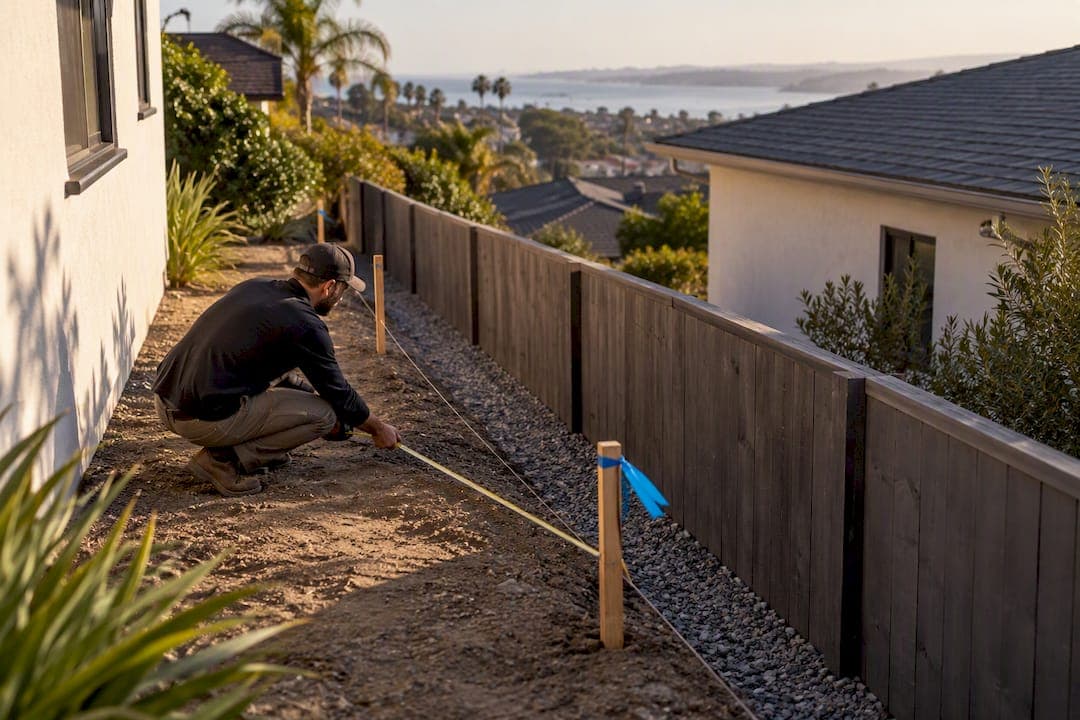
Which agency controls your parcel decides which rulebook applies, and every accessory dwelling unit in San Diego needs a building permit regardless of size or location. Inside city limits, minimum unit size is 150 square feet, with attached and detached ADUs generally subject to a maximum size around 1,200 square feet and junior ADUs limited to between 150 and 500 square feet. Parking rules loosen almost everywhere outside the Coastal Overlay Zone, and County property owners now have a new, specific process for selling an ADU separately from the main house in eligible cases.
TL;DR:
- All ADUs in San Diego require a building permit regardless of size, with city units capped at 1,200 square feet and county units following their own standards.
- Inside the city, permits are governed by Information Bulletin 400 and municipal code, with extra Coastal Overlay restrictions possibly requiring additional permits.
- Outside the Coastal Overlay Zone, ADU parking is mostly not required, but some exemptions apply, especially in the Beach Impact Area near transit options.
- Starting April 2026, unincorporated county property owners can sell ADUs separately through a specific process involving parcel mapping or condominium conversion, but eligibility must be confirmed beforehand.
- Unpermitted ADUs pose legal liabilities, can disqualify rental income, and require thorough documentation and inspections for legalization or resale.
Table of Contents
- Who Governs Your Parcel: City vs. Unincorporated County?
- Size, Setbacks, Height, and Parking: Will an ADU Actually Fit?
- The Permit and Approval Sequence, Step by Step
- County Separate-Sale Rules: Can You Sell an ADU on Its Own?
- Jeff's Due-Diligence Checklist for ADU Buyers and Sellers
- When an ADU Adds Value, and When It's a Trap
- How Jeff Helps You Evaluate an ADU's Real Potential
- Where to Verify the Rules Yourself
- Sources
- FAQ
Who Governs Your Parcel: City vs. Unincorporated County?
Before anything else, find out whether your address sits inside San Diego city limits or in one of the county's unincorporated communities. A quick address or Assessor's Parcel Number lookup through the city or county planning portal settles this in minutes, and it matters more than almost any other fact on this page, because the two agencies enforce different standards even a few blocks apart.
Inside the city, Information Bulletin 400 governs. A single-family lot may add one ADU and one JADU; multifamily lots have their own allowances written into Municipal Code §141.0302. Coastal Overlay parcels face extra scrutiny, since projects that add habitable area or aren't fully contained inside the existing structure can trigger a Coastal Development Permit on top of the standard building permit.
In the unincorporated county, the rules run through San Diego County's ADU guidance, which sets its own size, setback, and height standards, and, as of 2026, includes a new process letting eligible ADUs be sold separately from the primary home.
The practical difference shows up fast once you start drawing floor plans:
- City parcels near the coast need to budget time and cost for a possible CDP review.
- County parcels get more height allowance in many cases but face separate zoning and fire-review steps.
- Design decisions, permit timelines, and eventual resale marketing all hinge on which set of rules applies.
Get this wrong at the outset and you can redesign a project twice.
Size, Setbacks, Height, and Parking: Will an ADU Actually Fit?
Every ADU in the city must be at least 150 square feet, and attached or detached units are generally capped at 1,200 square feet, with garage or interior conversions often exempt from that ceiling. A junior ADU must fall between 150 and 500 square feet, sit within the primary dwelling or an attached garage, and may share a bathroom with the main house.
The 150/1,200 rule of thumb: No legal ADU in San Diego can be smaller than 150 square feet, and most attached or detached units top out at 1,200 square feet under city standards. Everything you design has to land somewhere in that range.
Setbacks and height limits vary by jurisdiction and fire zone:
- Street-side setbacks typically run a minimum of 4 feet.
- Interior side and rear setbacks depend on height and whether the parcel sits in a designated fire hazard zone.
- County guidance generally caps detached ADUs at 25 feet in height, with 4-foot side and rear setbacks common for new detached units.
- City height limits often follow a two-story pattern, subject to zone-specific overrides.
Parking is the pleasant surprise for most owners. Outside the Coastal Overlay Zone, the city generally doesn't require a parking space for an ADU at all. Inside the Beach Impact Area, one off-street space may be required when the property sits outside a Transit Priority Area, but common exemptions apply: units of 500 square feet or less, attached ADUs, properties in a permit-parking district, and units near car-share programs can all skip the parking requirement.
The Permit and Approval Sequence, Step by Step
There's no shortcut around the building permit, and skipping it is the single most expensive mistake an owner can make. Here's the sequence that actually gets an ADU from idea to certificate of occupancy.
- Confirm jurisdiction and overlays. Verify City vs. County status, check for Coastal Overlay designation, and pull the fire-hazard severity zone map for the parcel.
- Contact the fire department early. Required setbacks, sprinkler systems, and hydrant proximity can shrink your buildable area more than zoning setbacks ever will, according to county guidance.
- Prepare a complete plan set. Site plan, floor plan, structural details, and utility routing all need to go in together, not piecemeal.
- Submit the building-permit application. Determine at this stage whether a Coastal Development Permit is also required, based on location and scope.
- Respond to plan-check comments. Most projects get at least one round of corrections; budget time for it.
- Schedule inspections and close out the permit. Framing, electrical, plumbing, and final inspections all have to pass before the unit is legally occupiable.
Pro Tip: Order your fire-hazard overlay map before you finalize floor plans. Owners who design first and check fire rules second routinely lose square footage they'd already counted on.
There's no such thing as a "permit-exempt" ADU in San Diego, regardless of size. An unpermitted unit doesn't just risk fines. It can also disqualify rental income from a lender's underwriting and complicate a future sale.
County Separate-Sale Rules: Can You Sell an ADU on Its Own?
Starting April 4, 2026, San Diego County's ordinance amendment, adopted March 4, 2026, opens a defined process for selling an eligible ADU separately from the primary home in unincorporated communities. This is new territory for a market where ADUs have historically been tied to the main parcel by default.
The process runs through condominium conversion or tentative parcel-mapping procedures, and it layers on top of, rather than replaces, the approvals a homeowner already needs:
- The ADU still has to carry a valid, final-inspected building permit.
- The property still has to go through the county's mapping or conversion review.
- Utility metering, access, and easement questions still need resolution before a separate sale can close.
Separate sale is an exception the county has carved out for eligible situations, not a right every ADU owner automatically has. That distinction changes how a lender underwrites the property and how an agent markets it. Treat a listing that claims separate-sale potential with the same skepticism you'd apply to any unverified zoning claim, and confirm the parcel actually qualifies before anyone prices it that way.
Jeff's Due-Diligence Checklist for ADU Buyers and Sellers
An ADU that looks great in photos can still be a legal liability if the paperwork doesn't back it up. Before you write an offer or list a property with an accessory unit, request the full documentation trail.
- Permit history and approved plans, not just marketing photos or a rental history spreadsheet.
- Final inspection records confirming the unit actually passed off.
- Any recorded deed restrictions, affordability covenants, or HOA conditions tied to the unit.
- Utility hookup and metering details, plus easements that might affect the ADU's footprint.
- Fire-hazard overlay status and, for coastal parcels, confirmation of CDP compliance.
If the unit predates 2020 and looks unpermitted, ask whether it might qualify for legalization under AB 2533's streamlining provisions for pre-2020 ADUs, and get a third-party code inspection before you rely on that path.
Pro Tip: A converted garage with a fresh coat of paint and no permit history isn't rental income in a lender's eyes, making deep cleaning a rental property an important step prior to leasing. It's a renovation project wearing a costume.
When an ADU Adds Value, and When It's a Trap
An ADU tends to pay off when the unit is fully permitted, the rental market in the neighborhood supports steady demand, and the design doesn't cannibalize the yard or parking the main house needs. Rental income and resale appeal both climb when a buyer can walk in and verify clean paperwork on day one.
The same feature becomes a liability fast when it sits in a fire-hazard zone with unresolved setback issues, or when it was built without permits and now needs retroactive legalization before a lender will count the income. Local financing programs and deed-restricted affordability bonuses can sweeten specific projects, but they're tactical tools, not a substitute for confirming the unit is legal in the first place.
— Jeff
How Jeff Helps You Evaluate an ADU's Real Potential
You can work with a knowledgeable San Diego real estate agent to avoid guessing your way through zoning code. A real estate professional can provide a parcel-specific check of jurisdiction, permit history, and overlay status before you write an offer or price a listing.

That work includes an ADU-aware home valuation that accounts for permitted versus unpermitted square footage, plus referrals to vetted contractors and code inspectors when a unit needs a closer look. Experienced agents familiar with San Diego can often pull records quickly and identify potential red flags before escrow. If you're weighing a purchase with ADU upside, start with Buy With Confidence and let's confirm exactly what the parcel allows before you commit to a number.
Where to Verify the Rules Yourself
For a parcel-specific check, go straight to the source documents rather than a summary.
- City of San Diego Information Bulletin 400 for city ADU and JADU standards.
- San Diego Municipal Code §141.0302 for the codified legal text.
- San Diego County ADU guidance for unincorporated-area rules and permitting.
Use an APN-based lookup on either agency's site to confirm overlays and fire-hazard zones for your exact address.
Sources
- Accessory Dwelling Unit/Junior Accessory Dwelling Unit | City of San Diego Official Website (Information Bulletin 400)
- San Diego Municipal Code §141.0302 (Accessory Dwelling Units and JADUs)
- ADU Information | San Diego County
FAQ
Do I need a permit for an ADU in San Diego no matter how small it is?
Yes. Every ADU and JADU requires a building permit regardless of square footage, and there are no size-based exemptions under city rules.
What's the maximum size for an ADU in San Diego?
Attached and detached ADUs are generally capped at 1,200 square feet under city standards, while the minimum is 150 square feet. County rules allow detached ADUs up to a similar 1,200 square foot limit with their own setback and height standards.
Do I need extra parking for an ADU?
Outside the Coastal Overlay Zone, the city generally doesn't require additional parking for an ADU. Inside the Beach Impact Area, one space may be required unless the unit qualifies for a common exemption like small size, attached construction, or location in a permit-parking district.
Can I sell my ADU separately from my main house?
Only in unincorporated San Diego County, and only through the county's condominium conversion or parcel-mapping process that took effect April 4, 2026. It's a defined exception, not an automatic right, so confirm eligibility before assuming a property qualifies.
How can Jeffsellssandiego help me evaluate an ADU purchase?
Jeffsellssandiego can run a parcel-specific jurisdiction and permit check and provide an ADU-aware home valuation before you make an offer. That combination catches unpermitted work and overlay issues early, when they're still cheap to address.