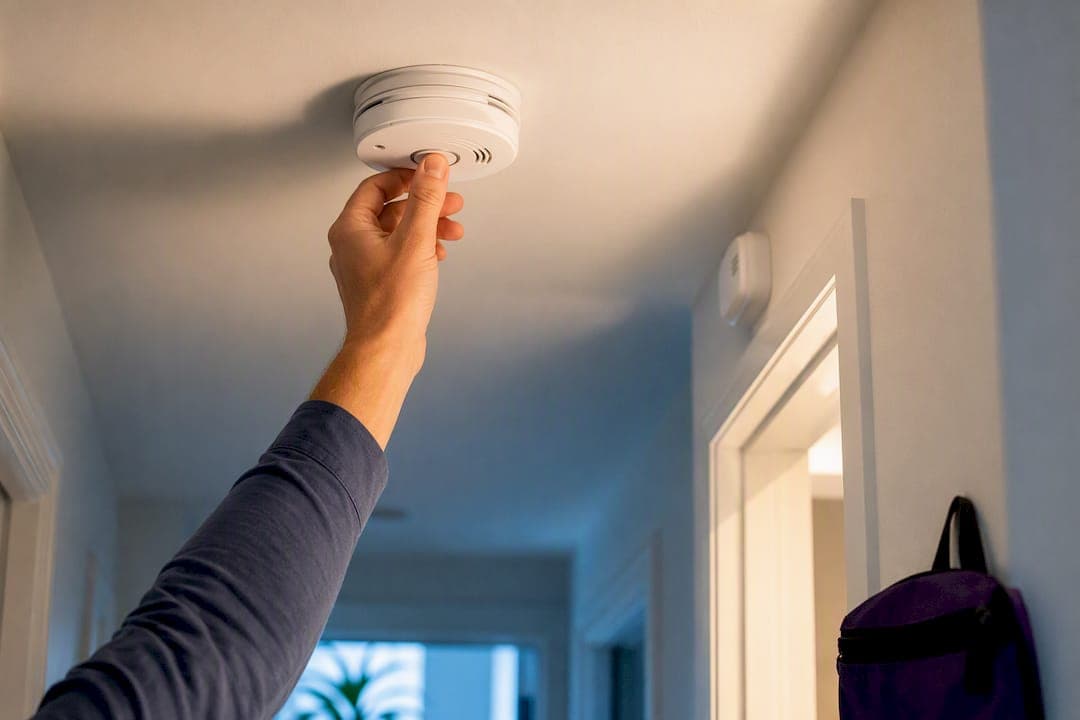
Hosting a short-term rental in San Diego is legal, but only if you get a Short-Term Residential Occupancy (STRO) license and a Transient Occupancy Tax certificate before you take a single booking. You're allowed one license per address, and it lasts for a fixed term before needing renewal, but it can't be transferred, and which "tier" you qualify for depends on how you use the property and, in a few neighborhoods like Mission Beach, where it sits.
TL;DR:
- Most San Diego short-term rental hosts operate within strict licensing tiers, with only one license allowed per address that cannot be transferred, sold, or gifted.
- Hosts renting out entire units must meet a 90-day minimum usage requirement, while Tier 2 hosts need to occupy the property as their primary residence for most of the year.
- Licensing involves multiple steps, including registering for tax accounts, uploading supporting documents, and tracking renewal deadlines, with delays often caused by mismatched paperwork.
- A Transient Occupancy Tax certificate and detailed records must be kept, and quarterly reports are mandatory for Tier 3 and Tier 4 licenses, with strict posting and safety compliance required.
- Violations such as operating without a license, missing tax payments, or nuisance complaints escalate enforcement from warnings to fines or license revocation.
Table of Contents
- What San Diego's Short-Term Rental Rules Actually Cover
- How Do the STRO License Tiers Work?
- What Taxes and City Accounts Does a Host Need?
- How Do You Apply for and Renew an STRO License?
- What Are the Ongoing Rules for Licensed Hosts?
- What Happens If the City Cites Your Rental?
- Which Properties Are Banned From Short-Term Rental Use?
- Should You Host, Hold, or Sell Under Current STRO Rules?
- An Agent's View on STRO's Real Impact on Owners
- Considering Selling Instead of Navigating STRO Rules?
- Where to Verify San Diego's Short-Term Rental Rules
- Sources
- FAQ
What San Diego's Short-Term Rental Rules Actually Cover
San Diego's STRO ordinance applies to any dwelling, or part of one, rented out for less than a full month. That threshold is the entire ballgame: rent a room or a whole house for 29 nights and you need a license; rent it for a calendar month or longer and you're operating a standard residential lease, which the STRO program doesn't touch.
The "month" calculation trips up more hosts than any other detail in the San Diego Municipal Code, Article 10. The city defines a month as a consecutive stretch from the first day of occupancy to the same calendar date in the following month. A guest who checks in January 31 and checks out February 28 has technically stayed one month, even though it's only 28 days. Hosts who eyeball "30 days" as their cutoff sometimes license a stay that didn't need one, or worse, skip licensing a stay that did.
Not every property qualifies for a license in the first place. Eligible units include single-family houses, condos, and individual rooms within an owner's or renter's primary or secondary residence. Ineligible types include:
- Income-restricted affordable housing units
- Accessory dwelling units (ADUs), with a narrow exception covered later
- Recreational vehicles, boats, and other non-permanent structures
- Single-room occupancy (SRO) hotel units and student housing
Who can actually apply matters too. The STRO program allows the property owner to apply, but a tenant can also become the licensed host if they hold documented right-to-occupy status, like a lease that doesn't prohibit subletting. The rules apply citywide, across every council district, though the tier system (below) treats some areas, particularly Mission Beach, differently from the rest of San Diego.
How Do the STRO License Tiers Work?
San Diego splits STRO licenses into four tiers, and picking the wrong one, or assuming you qualify for one you don't, is the single most common planning mistake owners make. Here's how they break down:
- Tier 1: occasional home-sharing. Covers rentals of 20 days or fewer per calendar year, in any residential unit citywide. This tier suits owners who travel occasionally and want to rent their place out a few weekends a year without heavier reporting obligations.
- Tier 2: home-share, over 20 days. Applies when you're renting out space in your home for more than 20 days a year, but you still live there. The catch: you must occupy the residence as your primary home for a substantial portion of the year, which generally rules out anyone hosting a place they don't actually live in for most of the year.
- Tier 3: whole-home rentals outside Mission Beach. For owners renting an entire unit, with no owner or long-term tenant present, more than 20 days a year. Tier 3 comes with real strings attached: a 90-day minimum usage requirement per year, quarterly reporting to the city, and a citywide cap on total licenses. When demand for Tier 3 slots exceeds the supply, the city runs a lottery to allocate them.
- Tier 4: Mission Beach whole-home rentals. A separate category just for Mission Beach, reflecting that neighborhood's unusually dense concentration of vacation rentals. Tier 4 applications are currently closed, and the city maintains a waitlist rather than open enrollment.
Whatever tier you land in, two rules apply across the board: you can hold only one STRO license at a time, and that license cannot be sold, gifted, or transferred to a new owner or tenant. Buy a property that came with an active STRO license, and you'll still need to apply for your own.
What Taxes and City Accounts Does a Host Need?
Every STRO host needs a Transient Occupancy Tax certificate before renting a single night, and that certificate is separate from the STRO license itself. TOT is the city's lodging tax, and as a host, you're responsible for collecting it from guests and remitting it to the city on a monthly basis, along with detailed receipts.
A second tax obligation kicks in based on volume. Rent your property more than 6 days in a calendar year, and you owe a Rental Unit Business Tax on top of TOT, registered separately with the city treasurer's office.
Quick math check: that 6-day threshold is easy to miss because it sounds trivial, but it's not a rounding error. A single long weekend rental plus a week-long summer booking can push most hosts over that line without them realizing it, and missing the registration doesn't make the tax go away, it just makes the eventual bill bigger.
If you're a tenant hosting rather than the owner, you'll need your own Business Tax Certificate in your name, plus documentation proving your right to occupy and sublet the unit. Owners of the property remain on the hook for the Rental Unit Business Tax regardless of who's operating the day-to-day rental.
One more practical wrinkle: under Article 10 of the Municipal Code, hosting platforms are barred from processing a booking for a San Diego listing that doesn't display a valid STRO license number and TOT certificate number. Airbnb's own host guidance for San Diego confirms this directly, telling hosts that any stay under 31 days requires both numbers listed before the platform will let the booking go through. Practically, that means you can't quietly skip licensing and just hope no one notices. The platform enforces it for the city.
- TOT certificate: required for every STRO host, remitted monthly
- Rental Unit Business Tax: triggers past 6 rental days per year
- Business Tax Certificate: required for tenant hosts, separate from owner obligations
- License numbers: must appear on the listing before platforms will process bookings
How Do You Apply for and Renew an STRO License?
Getting licensed is a sequence, not a single form, and doing the steps out of order is the most common source of delay.
- Register for your tax accounts first. Get your TOT certificate and, if applicable, your Rental Unit Business Tax account set up before you touch the STRO application. The system expects these numbers as inputs, not outputs.
- Create your STRO application account through the city's online portal and select the correct tier based on how you plan to use the property.
- Upload your supporting documents: your TOT certificate, proof of right-to-occupy if you're not the owner, your designated local contact information, and evidence you're square on any applicable rental taxes.
- Submit and wait for review. Processing times vary by tier and current demand, especially for Tier 3, where capped availability can mean a waitlist rather than instant approval.
- Track your renewal date. Licenses run for two years, and the city's renewal guidance notes that hosts typically get a courtesy reminder about 60 days before expiration.
Pro Tip: Save digital copies of every document you upload, in one folder, the day you upload them. When it's time to renew two years later, you'll have already forgotten where half of it lives, and rebuilding a paper trail under a deadline is how renewals slip past their window.
The most common delay isn't a missing document, it's a mismatched one, like a right-to-occupy letter that doesn't match the lease terms on file, or a tax certificate registered under a slightly different name than the STRO application. Double-check that every name, address, and account number matches exactly across all your submissions before you hit submit.
What Are the Ongoing Rules for Licensed Hosts?
Getting your license is the easy part. Staying compliant while you're actively hosting comes with its own checklist, and it doesn't end once the license is approved.
You're required to post your STRO license number and TOT certificate number somewhere visible from the public right-of-way, typically a small exterior sign or notice near the entrance. Inside the unit, you need to display the city's Good Neighbor Policy, which spells out noise limits, parking expectations, trash rules, and occupancy limits for guests, along with human trafficking awareness guidance, a requirement the city's host operating checklist spells out in detail.
- Post STRO and TOT numbers visibly from the street
- Display the Good Neighbor Policy inside the rental unit
- Designate a local contact who can respond to complaints within one hour
- Retain booking and financial records for four years
- File quarterly usage reports if you hold a Tier 3 or Tier 4 license
That one-hour response window for your local contact is not a suggestion. If a neighbor calls in a noise complaint at 11 p.m. and nobody responds, that gap in responsiveness is exactly the kind of pattern code enforcement looks for when deciding whether to escalate a case.
Records retention matters more than most hosts assume going in. Four years is a long time to keep nightly rate sheets, occupancy logs, and gross receipts, but the city can request them during an audit, and Tier 3 and Tier 4 hosts additionally have to file quarterly reports even in slow seasons.
Pro Tip: Set a recurring calendar reminder for quarterly report deadlines the day you get licensed, not the week they're due. A Tier 3 host who forgets to report because occupancy was low that quarter is still on the hook, and "we didn't have any bookings" is not a defense the city accepts as a substitute for filing.
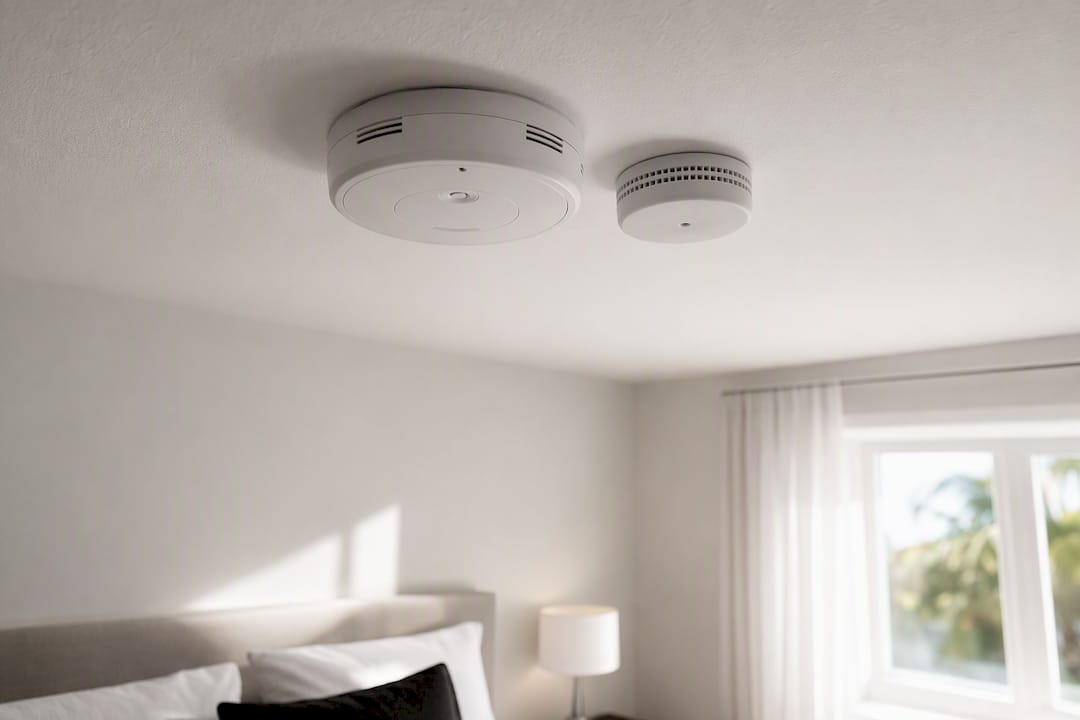
Basic fire and life safety compliance rounds out the operating requirements. Smoke detectors and carbon monoxide detectors need to be installed and functional in every unit, matching standard California residential fire code, and this applies regardless of which tier your license falls under.
What Happens If the City Cites Your Rental?
Enforcement in San Diego escalates in stages, and how quickly it escalates usually depends on whether the violation looks like a mistake or a pattern.
Most cases start with a verbal or written warning. Ignore that, or repeat the violation, and the city moves to formal notices, then administrative fines, and in serious or repeated cases, license revocation. The triggers that show up most often:
- Operating without an STRO license at all
- Falling behind on TOT payments or failing to remit collected tax
- Missing required quarterly reports for Tier 3 or Tier 4 properties
- Chronic nuisance complaints from neighbors (noise, parking, trash)
- Renting out an ADU in violation of the prohibition
Hosting platforms play a role in enforcement, too, since they're required to pull listings that lack valid license numbers. That means checking your own listing periodically to confirm your STRO and TOT numbers still display correctly is a smart habit, not paranoia.
If you do get a notice, document everything immediately, dates, correspondence, and any evidence of your compliance efforts. Decide quickly whether to pay the fine or appeal it, since both paths have deadlines, and reach out directly to the City Treasurer's office or Code Enforcement rather than guessing at your options. Waiting rarely improves your position.
Which Properties Are Banned From Short-Term Rental Use?
A handful of unit types are off-limits no matter how well you fill out the paperwork, and getting this wrong wastes an application fee at best and triggers enforcement at worst.
- ADUs are generally prohibited from STRO use, with a narrow exception for companion units permitted before 2017
- Income-restricted affordable housing, student housing, and SRO hotel units don't qualify
- Vehicles, boats, and other nonresidential structures are ineligible regardless of how they're used
- Live/work units can only rent out the residential portion, and the host must permanently live in that space
Misclassifying a unit, listing an ADU as a guesthouse, for instance, doesn't just risk a denied application. It can trigger fines and revocation once discovered, so verify eligibility with the city before you invest in furnishing or marketing a space.
Should You Host, Hold, or Sell Under Current STRO Rules?
Capped Tier 3 licenses and a closed Tier 4 waitlist in Mission Beach change the math for a lot of owners who assumed hosting would be straightforward. If your property doesn't already have an active whole-home license and you're not planning to live there most of the year, getting one may take longer than you'd like, or may not be available at all right now.
Before committing to the hosting route, walk through a realistic checklist:
- Can you actually hit the 90-day utilization minimum for Tier 3, or the 275-day residency requirement for Tier 2?
- How tolerant is your specific block or HOA of short-term guest turnover?
- Are you prepared for quarterly reporting and four-year record retention, or does that administrative load outweigh the income?
- Does your property include an ADU you were hoping to rent separately, since that's off the table?
For some owners, the numbers still work. For others, especially those holding a property mainly as an investment rather than a home, selling now or requesting a current market valuation makes more sense than fighting for a capped license. It's worth reading how local regulations are reshaping San Diego housing decisions before you commit either way, since permit caps like this tend to ripple into resale value for STR-zoned properties.
An Agent's View on STRO's Real Impact on Owners
The tradeoff I see most often isn't hosting versus not hosting. It's owners underestimating how much enforcement risk and reporting burden eat into the revenue they expected. A Tier 3 license sounds great until you're filing quarterly reports for a property that sat empty half the quarter, still on the hook for that 90-day minimum.
The mistakes are predictable. Owners assume their ADU qualifies because a neighbor's does, not realizing the pre-2017 exception is narrow. They miscount a 29-night stay as safely under the radar. They underestimate what four years of recordkeeping actually looks like in practice.
None of that makes hosting a bad idea. It makes it a decision that deserves the same scrutiny you'd give a mortgage rate, not a weekend project. Start with the city's own STRO program page, and if the numbers don't pencil out the way you hoped, that's worth knowing before you spend money on licensing rather than after.
— Jeff
Considering Selling Instead of Navigating STRO Rules?
If you've read this far and the tier limits, quarterly filings, and enforcement risk are starting to feel like more trouble than the rental income is worth, you're not the first San Diego owner to land there. Real estate agents in San Diego work with property owners who are weighing exactly this decision: keep fighting for a capped license, or sell now while the market still rewards it.
A free home valuation gives you a real number to compare against projected STR income once you factor in tax registrations, reporting labor, and the risk of a Tier 3 lottery not working in your favor. If the comparison tilts toward selling, Sell With Strategy walks you through pricing, marketing, and closing with someone who knows how San Diego's short-term rental rules affect buyer demand for your specific property type. Request your valuation and get a straight answer on what your home is worth before you sink more time into a license application.
Where to Verify San Diego's Short-Term Rental Rules
Municipal rules change, and the safest move is always confirming details directly against the city's own documentation before you apply or renew.
- STRO program overview and application portal
- San Diego Municipal Code, Chapter 5, Article 10
- Host operating requirements checklist
- STRO renewal process guide
For anything touching legal liability, tax exposure, or a dispute with the city, talk to a licensed attorney or tax professional rather than relying on secondhand summaries, including this one.
This article is general information, not a substitute for advice from a qualified lawyer. Consult a qualified legal professional about your own circumstances before acting on anything here.
Sources
- Short-Term Residential Occupancy (STRO) | City of San Diego Official Website
- San Diego Municipal Code Chapter 5, Article 10 (Short-Term Residential Occupancy and Hosting Platforms)
- STRO Host operating requirements – Checklist (City of San Diego)
- San Diego, CA - Airbnb Help Center
FAQ
Is Airbnb Hosting Legal in San Diego Right Now?
Yes, but only with a valid STRO license and TOT certificate; renting a unit for less than a month without one violates the Municipal Code. Which tier you qualify for depends on how often you rent, whether you live there, and whether the property sits in Mission Beach.
Are There New Airbnb Rules in California for 2026?
San Diego's STRO tiers, utilization minimums, and Tier 4 Mission Beach waitlist remain the operative rules locally as of 2026, with the city's waitlist administration still governing new Tier 4 applications. Statewide short-term rental law varies by city, so always check San Diego's specific ordinance rather than assuming a rule from another California city applies here.
Do Any States or Cities Ban Airbnb Outright?
Some cities across the country restrict or effectively ban short-term rentals in certain zones, but San Diego does not ban hosting citywide. It regulates it through the STRO tier system, with capped availability in high-demand areas like Mission Beach rather than a blanket prohibition.
What Is the 80/20 Rule for Airbnb Hosts?
There's no official rule written into San Diego's STRO ordinance resembling an "80/20 rule." If you've heard the phrase used loosely to describe occupancy targets or income splits, it isn't a term the city's licensing rules recognize, so don't rely on such ratios when calculating your Tier 3 90-day minimum or Tier 2 residency requirements.
Can a Neighbor Stop a Short-Term Rental Next Door?
A neighbor can't unilaterally shut down a licensed STRO, but they can file complaints that trigger city enforcement if the host is violating the Good Neighbor Policy or operating without a valid license. Repeated nuisance complaints, combined with slow local-contact response times, are exactly the pattern that pushes a case from a warning toward fines or revocation.