
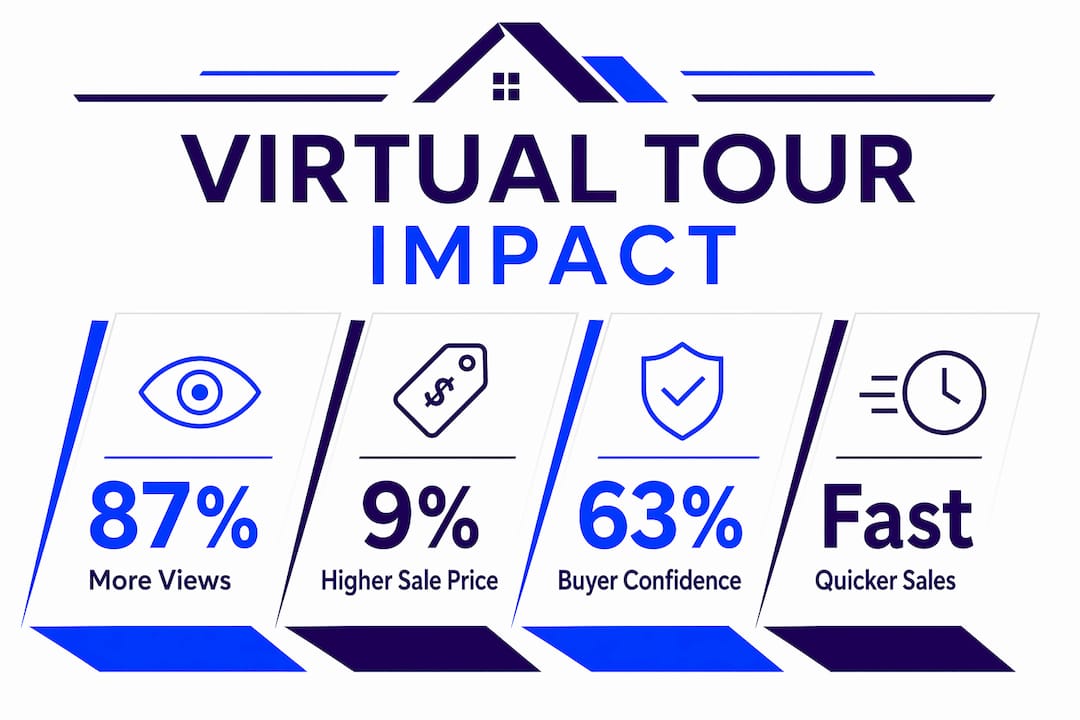
Virtual tours are defined as interactive, 360-degree digital walkthroughs of a property that buyers can access anytime from any device. Listings with 3D virtual tours receive 87% more views, sell up to 31% faster, and can achieve sale prices up to 9% higher. Those numbers explain why the role of virtual tours has shifted from a novelty feature to a core marketing tool for serious sellers and buyers in San Diego and across the country.
How virtual tours shape buyer engagement and lead quality
Virtual tours do two jobs at once. They pull in more buyers and filter out the ones who are not serious. 360-degree virtual tours generate 10 times more engagement than standard photo listings. That level of attention means buyers spend real time studying a property before they ever contact an agent.
The filtering effect is just as valuable as the engagement boost. Virtual tours act as a filter by helping buyers quickly decide whether a property fits their needs, saving significant time for agents and sellers. One saved physical showing roughly equals half a day of agent time. Multiply that across a full listing cycle and the efficiency gain becomes substantial.
Buyers who do reach out after a virtual tour arrive with specific questions. They have already ruled out layout problems, ceiling height concerns, and finish preferences on their own. That makes every conversation more productive and every showing more likely to convert.
- Buyers self-select based on room size, layout, and finishes before calling
- Agents spend less time on showings that go nowhere
- Sellers face fewer disruptions from low-intent visitors
- Serious inquiries increase because transparency builds confidence
Pro Tip: Add a floor plan alongside the virtual tour. Buyers who can cross-reference square footage with a walkthrough make faster decisions and ask sharper questions.
What technology makes creating virtual tours accessible today?
Virtual tour technology has changed faster than most sellers realize. Modern smartphones can now produce 360-degree images suitable for professional real estate tours, removing the need for expensive camera rigs. An iPhone 15 Pro, for example, captures spatial video and wide-angle stills that feed directly into tour-building platforms.
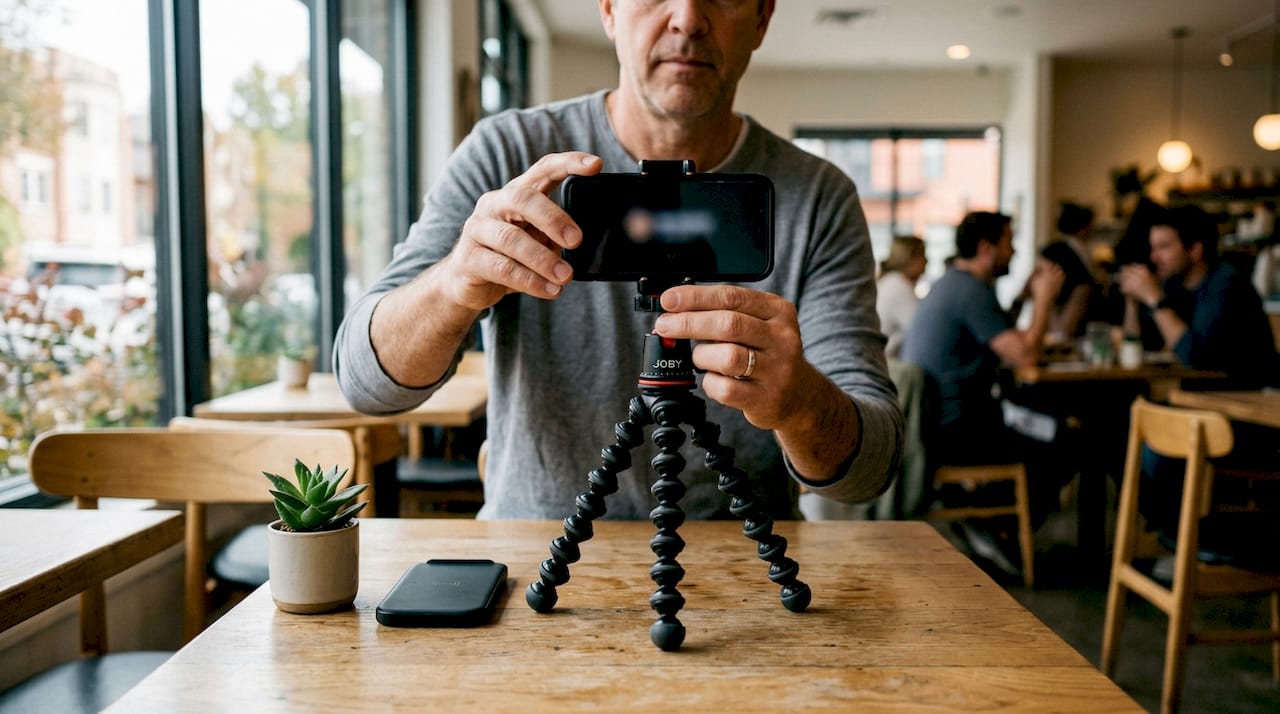
The production gap between a solo agent and a large brokerage has narrowed considerably. Virtual tour technology democratization allows small teams or even solo agents to create high-quality tours with smartphones. That shift matters for sellers in competitive markets like San Diego, where listing presentation directly affects how fast a home moves.
| Approach | Equipment needed | Estimated cost | Best for |
|---|---|---|---|
| Smartphone capture | iPhone 15 Pro or equivalent | $0 added cost | Solo agents, budget listings |
| Dedicated 360 camera | Ricoh Theta or Insta360 | $300–$500 | Mid-range listings |
| Professional photography service | Full rig and editing | $500–$1,500 | Luxury and high-competition listings |
AI-powered platforms now allow creation of 360-degree panoramas from simple 2D photos or text descriptions, lowering the barrier further. Sellers who once needed to hire a production crew can now upload listing photos and receive a navigable tour within minutes.
Pro Tip: Shoot on a bright morning with all interior lights on. Natural light combined with artificial fill reduces the dark corners that make rooms look smaller in 360-degree captures.
Why virtual tours matter in the homebuyer decision process
The importance of virtual tours goes beyond convenience. 63% of homebuyers have made an offer on a property they never visited in person, relying solely on virtual tours. That statistic reflects a fundamental shift in how buyers build confidence about a purchase.
Buyers use tours in layers. The first walkthrough gives them a general feel for the space. They return a second or third time to check specific details: the kitchen workflow, the master bedroom size relative to furniture, the sight lines from the living room. Sharing the tour link with a partner or parent who cannot attend a showing is another common behavior that extends a listing's reach without any extra work from the agent.
50% of adults find virtual tours very helpful, and buyers aged 18–34 are 130% more likely to book a real viewing after completing one. That age group represents a growing share of first-time buyers in San Diego, making virtual tour investment directly relevant to capturing that demand.
- Buyers revisit tours to confirm room dimensions and storage space
- Sharing links brings additional decision-makers into the process remotely
- Tours reduce anxiety for out-of-state buyers relocating to San Diego
- Buyers arrive at in-person showings already emotionally invested
For buyers using Jeffsellssandiego to search San Diego properties, reviewing property search tips alongside virtual tours helps narrow options faster and focus showings on genuine contenders.
How virtual tours impact seller marketing and sales results
Sellers who include virtual tours in their listing strategy gain advantages that go beyond faster sales. The impact of virtual tours on sale price is measurable: listings with 3D tours can achieve up to 9% higher sale prices. In San Diego's market, where median home prices are substantial, that percentage represents a meaningful dollar difference.
The SEO benefit is less obvious but equally real. Google Business Profiles with virtual tours receive significantly more views and clicks, increasing organic search performance. Virtual tours also triple time-on-site and increase Google Business Profile engagement, driving more organic traffic to a listing. More time on page signals relevance to search algorithms, which pushes listings higher in results.
Sellers and agents who want to understand how marketing drives faster home sales in San Diego will find that virtual tours are one of the highest-return additions to a listing plan.
Here is how to integrate virtual tours into a full marketing strategy:
- Publish the tour on the MLS listing on day one, not as an afterthought after the first open house.
- Embed the tour on the property landing page to increase time-on-site and improve search ranking.
- Share the tour link in email campaigns to buyer prospect lists before the first open house.
- Post tour clips on social media as short-form video to drive traffic back to the full listing.
- Combine the tour with a live open house to give in-person visitors a reference point for rooms they want to revisit.
Virtual tour effectiveness compounds when tours are paired with strong listing photos, accurate floor plans, and a well-written property description. No single element does the job alone.
Key Takeaways
Virtual tours are the single most effective listing tool for increasing views, qualifying buyers, and achieving higher sale prices in a competitive market.
| Point | Details |
|---|---|
| Higher listing performance | Tours generate 87% more views and help homes sell up to 31% faster. |
| Buyer confidence | 63% of buyers have made offers without visiting in person, relying on tours. |
| Lead quality improvement | Tours filter out low-intent buyers before they consume agent time. |
| Accessible production | Smartphones and AI platforms make professional tours affordable for any seller. |
| SEO and marketing lift | Tours triple time-on-site and boost Google Business Profile engagement. |
What I've learned from watching virtual tours change buyer behavior
I have watched virtual tours go from a premium add-on to a baseline expectation in San Diego real estate. The shift happened faster than most sellers anticipated, and the agents who adopted tours early gained a real advantage in lead quality, not just listing views.
The part that surprised me most was the filtering effect. Before virtual tours, a significant portion of showings ended with buyers walking out in the first five minutes because the layout did not match what photos suggested. Tours eliminated most of those wasted trips. The buyers who show up now have already spent time in the home digitally. They come with specific questions and a higher level of commitment.
Interactive elements and AI narration in virtual tours enhance user engagement and satisfaction more than unguided walkthroughs. That finding aligns with what I see in practice. Buyers who interact with a tour, clicking through rooms and reading embedded notes, arrive at showings more informed than those who only viewed photos.
The next wave is already visible. Virtual tours are evolving from passive 360 views to interactive digital twins with AI concierges that answer questions and provide neighborhood data in real time. For buyers relocating to San Diego from out of state, that capability will matter enormously. For sellers, it means a listing can work around the clock without any agent involvement.
My honest take: virtual tours are no longer optional for sellers who want top dollar. They are the floor, not the ceiling.
— Jeff
Explore San Diego listings with virtual tours through Jeffsellssandiego
Jeffsellssandiego integrates virtual tours into listings across San Diego neighborhoods to give buyers a real look before they ever schedule a showing.
Whether you are buying or selling, working with an agent who treats virtual tours as standard practice changes the experience. Buyers get more information faster. Sellers attract more qualified interest from day one. Browse current San Diego listings to see virtual tours in action, or connect with Jeffsellssandiego directly to discuss how a tour-first strategy can support your next sale. Sellers ready to maximize their results can also review the seller's guide for a full picture of what a well-marketed listing looks like in 2026.
FAQ
What is the role of virtual tours in real estate?
Virtual tours give buyers an immersive, 360-degree preview of a property before scheduling a physical visit. They increase listing views, filter out low-intent buyers, and help sellers achieve faster sales and higher prices.
How do virtual tours help buyers make decisions?
63% of buyers have made offers on homes they never visited in person, relying on virtual tours to build confidence. Buyers also revisit tours multiple times to check room details and share links with co-decision-makers.
Can sellers create virtual tours without expensive equipment?
Modern smartphones like the iPhone 15 Pro produce 360-degree images suitable for professional tours. AI-powered platforms can also generate navigable tours from standard 2D listing photos.
Do virtual tours actually improve sale prices?
Listings with 3D virtual tours can achieve sale prices up to 9% higher than comparable listings without them. The combination of higher engagement and better-qualified buyers drives that price premium.
How do virtual tours affect a listing's online visibility?
Google Business Profiles with virtual tours receive significantly more views and clicks. Tours also triple average time-on-site, which signals relevance to search engines and improves organic ranking.