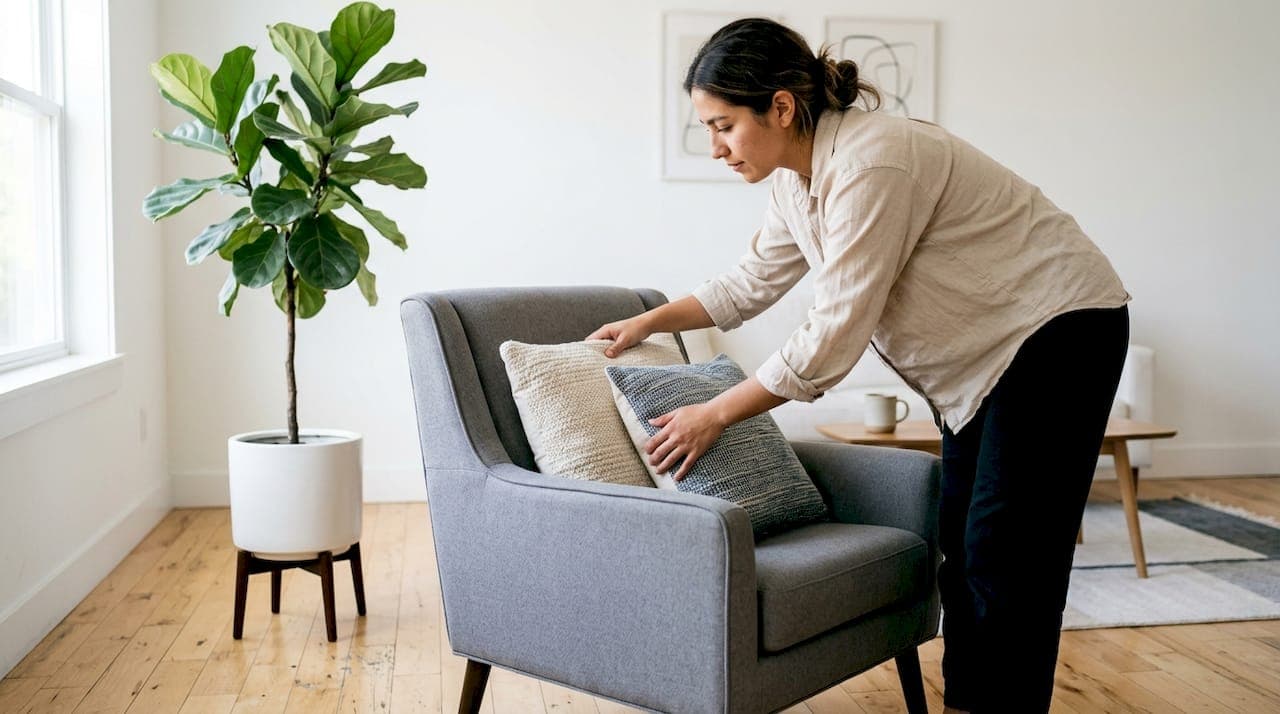
Staging tips for sellers are proven strategies that help homes sell faster and at higher prices by creating neutral, inviting spaces buyers can picture themselves living in. Staged homes sell up to 73% faster and can achieve sale prices 6–25% higher than unstaged properties. That gap represents real money. A modest investment in decluttering, cleaning, and smart furniture arrangement pays back far more than it costs. The National Association of Realtors defines home staging as the act of preparing a property for sale by making it appeal to the highest number of potential buyers.
1. What are the top staging tips for sellers to prioritize?
Not every room carries equal weight with buyers. The living room, primary bedroom, kitchen, and dining room drive purchase decisions more than any other spaces. Staging these four areas first gives you the highest return on your time and money. Secondary rooms like bathrooms and home offices matter, but they rarely make or break a deal.
Curb appeal and the entry set the tone before a buyer steps inside. A clean front door, trimmed hedges, and a simple welcome mat signal that the home is well cared for. Buyers form a first impression within seconds, and that impression sticks through the entire showing.
- Living room: Clear surfaces, arrange seating around a focal point, add one or two plants
- Primary bedroom: Neutral bedding, minimal nightstand items, no personal photos
- Kitchen: Clear countertops completely, clean appliances, add a bowl of fresh fruit
- Dining room: Set the table simply, remove extra chairs if the room feels tight
- Entry: Clean floors, a mirror to add light, one small accent piece only
Pro Tip: Stage the rooms a buyer sees first and last. The entry and the primary bedroom leave the strongest lasting impressions.
2. How to declutter, depersonalize, and deep clean before listing
Decluttering is the single highest-impact step in any staging a home guide. Removing at least 50% of personal belongings and excess furniture per room makes spaces feel larger and more move-in ready. This practice is known as the "50% Rule" in staging best practices. It sounds extreme until you see the result.
Depersonalizing goes hand in hand with decluttering. Removing religious, political, and personal memorabilia keeps buyers focused on the space itself rather than the current owner's life. Family photos, sports trophies, and bold personal décor all pull a buyer's attention away from the home's features. The goal is a neutral canvas where buyers project their own lives.
Deep cleaning is the cheapest step with the biggest credibility payoff. Professional deep cleaning costs about $200 and signals to buyers that the home has been well maintained. Dirty grout, dusty baseboards, and smudged windows create doubt. A spotless home creates confidence.
Follow this order for maximum efficiency:
- Remove all items you plan to donate, sell, or store offsite
- Pack away personal photos, collections, and bold decorative pieces
- Clear every countertop, shelf, and surface to 50% capacity
- Deep clean from top to bottom: ceiling fans, windows, baseboards, and appliances
- Address odors directly: clean carpets, wash curtains, and air out the home before showings
Pro Tip: Rent a storage unit for the duration of the sale. Moving boxes into the garage signals to buyers that storage is limited.
3. Furniture arrangement and lighting strategies that work
Good furniture arrangement creates the feeling of space and flow. Floating seating away from walls creates a welcoming social space and highlights room focal points, which increases buyer engagement. Most sellers push furniture against walls thinking it opens the room. It actually makes the space feel smaller and less inviting.
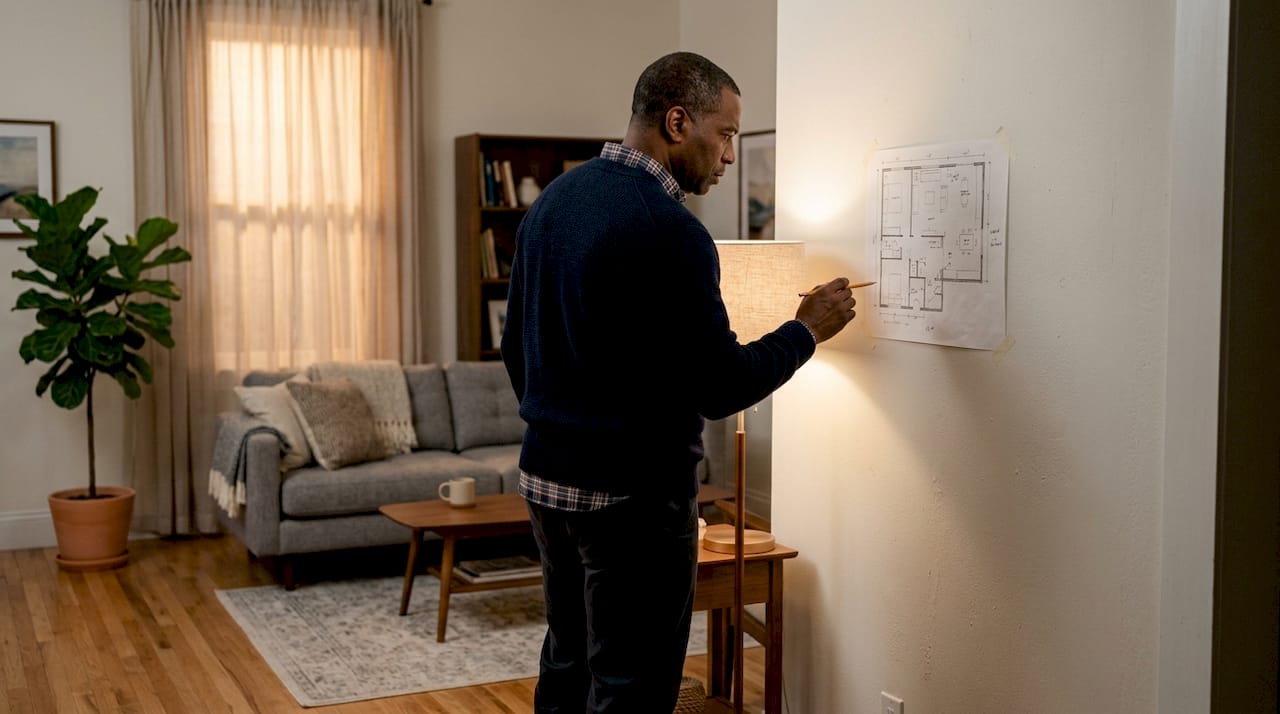
Orient seating toward a focal point like a fireplace, a large window, or a media wall. Group chairs and sofas so they face each other at a conversational distance. Choose furniture that fits the room's scale. Oversized pieces in a small room make buyers feel cramped.
Lighting shapes how buyers feel in every room. Use three layers for the best effect:
- Overhead lighting: Replace any burned-out bulbs and use warm white LEDs throughout
- Accent lighting: Table lamps and floor lamps add warmth and fill dark corners
- Natural light: Open every curtain and blind before showings. Natural light raises buyer appeal and makes rooms feel larger
Clean windows before every showing. Dirty glass cuts natural light noticeably. Buyers notice bright, airy rooms and remember them.
4. Affordable upgrades: paint, accessories, and virtual staging
Paint delivers the highest return on investment of any cosmetic update. Warm neutral whites cost $150–$300 for a DIY whole-house job and modernize a space more effectively than any piece of furniture. Colors like Benjamin Moore White Dove and Sherwin-Williams Alabaster work in almost any home because they read as clean, bright, and neutral. Bold accent walls and dated colors narrow buyer appeal immediately.
Simple accessories complete the look without overspending. Fresh white towels in the bathroom, a throw pillow in a muted tone, a small plant on the kitchen counter. These details cost under $50 total and photograph beautifully. Strong listing photos drive more showings, and more showings drive higher offers.
Virtual staging is the most underused tool in home staging advice for sellers with vacant properties. AI virtual staging costs as low as $0.60 per photo and furnishes empty rooms in seconds, eliminating high furniture rental costs. That is a fraction of traditional staging costs and produces results that look convincing in online listings. For sellers with dated or empty homes, virtual staging is worth every cent.
Pro Tip: Paint before you photograph. Listing photos with fresh neutral paint outperform photos taken in rooms with dated colors, even when the furniture is identical.
For sellers working with a tight budget, budget-friendly renovation ideas can help you prioritize where to spend for the best return.
5. How to stage your house room by room
A room-by-room approach keeps the process manageable. DIY staging typically costs under $1,000 and takes 5–7 days for a home in the 1,800–2,200 square foot range. That timeline is realistic if you work through one room per day.
Start with the rooms buyers see first: the entry, the living room, and the kitchen. These three spaces set the emotional tone for the entire showing. A buyer who feels good in the first three rooms will view the rest of the home with a positive bias.
Move to the primary bedroom next. Neutral bedding in white or soft gray, two matching nightstands, and clear surfaces communicate that the room is a retreat. Remove any exercise equipment, work desks, or extra furniture that crowds the space. The bedroom should feel calm and spacious.
Finish with bathrooms and secondary bedrooms. In bathrooms, remove all personal care products from counters, add a fresh hand soap dispenser, and hang clean white towels. In secondary bedrooms, remove excess furniture and use simple bedding. A well-staged secondary bedroom reads as a flexible space, which appeals to more buyers.
For a complete walkthrough of how to prepare your home for sale, Jeffsellssandiego has a full 2026 guide covering every step from listing prep to closing.
6. Staging mistakes that cost sellers money
The most common staging mistake is confusing staging with decorating. Staging is about neutralization so buyers can envision their own lifestyle in the space. Decorating expresses the owner's taste. Those two goals pull in opposite directions. Sellers who stage to impress with their personal style consistently get lower offers than sellers who create a blank canvas.
Skipping the exterior is another costly error. Buyers who dislike the outside of a home often cancel the showing before they walk in. A power-washed driveway, clean windows, and a freshly painted front door cost very little and protect the investment made inside.
Neglecting odors is the mistake buyers remember longest. Pets, cooking, and moisture all leave smells that photographs cannot capture but buyers notice immediately. Clean carpets, wash soft furnishings, and air the home out for at least an hour before every showing. A neutral-smelling home feels clean even before buyers see a single room.
Overspending on staging is also a real risk. Professional staging costs $2,000–$5,000 for a typical home. That investment makes sense for luxury properties or vacant homes with no furniture. For most sellers, a focused DIY approach delivers comparable results at a fraction of the cost.
Key takeaways
Staged homes sell faster and for more money because buyers respond to clean, neutral, and well-lit spaces they can picture as their own.
| Point | Details |
|---|---|
| Prioritize four key rooms | Focus staging on the living room, primary bedroom, kitchen, and dining room first. |
| Apply the 50% Rule | Remove at least half of furniture and personal items to make every room feel larger. |
| Paint for the highest ROI | Warm neutral whites like Benjamin Moore White Dove cost under $300 and modernize any space. |
| Use three layers of lighting | Combine overhead, accent, and natural light to make rooms feel warm and spacious. |
| Virtual staging cuts costs | AI staging at $0.60 per photo furnishes vacant rooms without expensive furniture rental. |
What I've learned about staging after years of San Diego home sales
Sellers consistently ask me whether they need to spend thousands on professional staging. My honest answer is almost always no. The homes that sell fastest in San Diego are not the ones with the most expensive furniture. They are the ones where a buyer walks in and immediately feels at home.
The hardest part of staging is emotional, not logistical. Sellers have lived in their homes for years. Removing family photos and personal collections feels like erasing memories. I get that. But buyers cannot connect with a home that feels like someone else's life. The moment you remove those personal layers, the home starts working for you instead of against you.
Neutral decor lets buyers imagine their own lifestyle in the space. Bold colors and strong personal style do the opposite. I have seen sellers lose offers because a buyer could not see past a single accent wall. That is a fixable problem that costs $50 and an afternoon.
The sellers who get top dollar are the ones who think like buyers. They walk through their own front door as if they have never seen it before. They notice the smell, the light, and the clutter that they stopped seeing years ago. That shift in perspective is worth more than any piece of rented furniture.
— Jeff
Selling your San Diego home with Jeffsellssandiego
Staging is one piece of a larger strategy for getting top dollar in the San Diego market. Jeffsellssandiego works directly with sellers to build a complete plan from prep to close, including staging guidance, pricing strategy, and local market insight.

The Seller's Guide covers everything you need to know about listing, staging, and negotiating in San Diego. Whether you are selling a condo in North Park or a single-family home in Point Loma, Jeffsellssandiego brings the local knowledge and hands-on support to help you get the best result. Reach out to start building your sale strategy today.
FAQ
How much does home staging cost for sellers?
DIY staging costs under $1,000 and takes 5–7 days for a typical home. Professional staging runs $2,000–$5,000 depending on home size and scope.
Which rooms should sellers stage first?
Stage the living room, primary bedroom, kitchen, and dining room first. These four rooms drive buyer decisions more than any other spaces in the home.
Does staging actually help sell a home faster?
Staged homes sell up to 73% faster than unstaged properties and can achieve sale prices 6–25% higher. The return on a modest staging investment is well documented.
What is the 50% Rule in home staging?
The 50% Rule means removing at least half of the furniture and personal items from each room. This makes spaces feel larger and helps buyers picture their own belongings in the home.
Is virtual staging worth it for vacant homes?
Virtual staging costs as little as $0.60 per photo and produces realistic furnished images for online listings. For vacant or dated homes, it is one of the most cost-effective tools available.