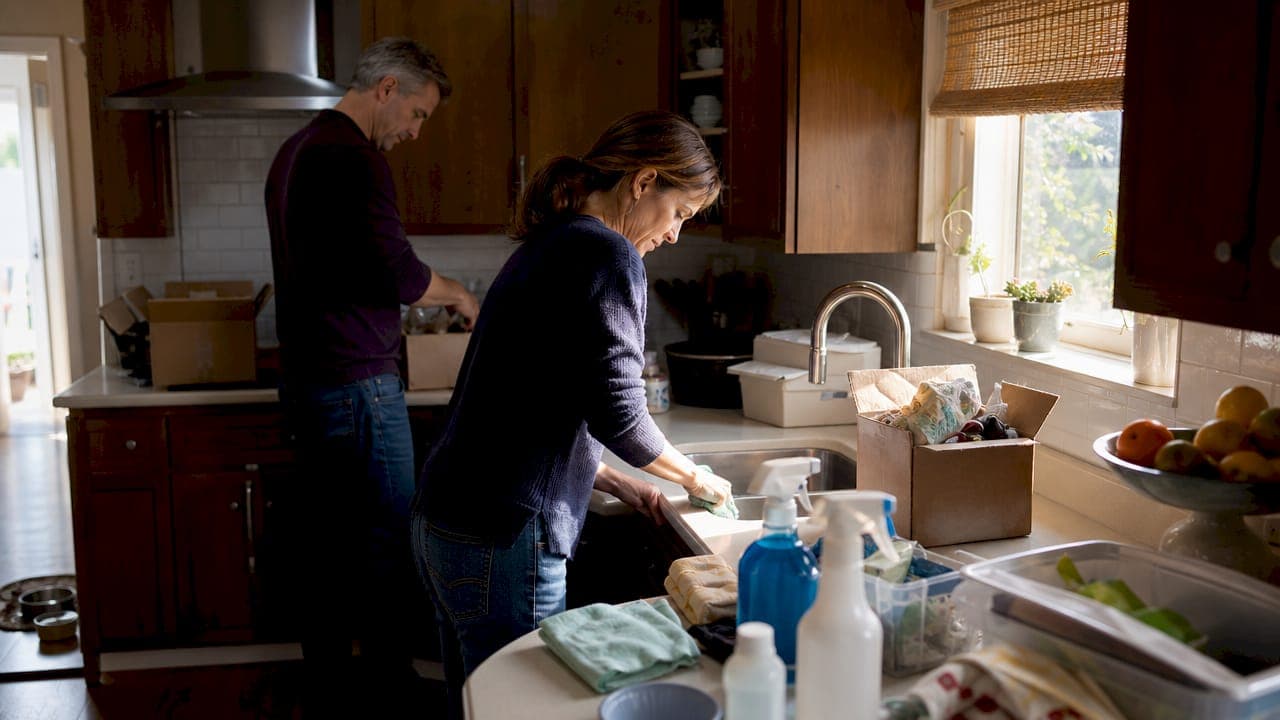
Preparing your home for sale is the process of readying your property through cleaning, repairs, staging, and targeted marketing steps that attract buyers and increase value. Done right, this process directly affects both your final sale price and how long your home sits on the market. Sellers who skip preparation often leave money on the table. The good news is that a clear, step-by-step approach to real estate preparation removes the guesswork and puts you in control of the outcome.
How to prepare your home for sale: essential first steps
The foundation of any successful home sale is getting the property ready before it ever hits the market. Buyers form opinions fast. A home that looks clean, maintained, and move-in ready generates stronger offers than one that needs obvious attention.
Start with these critical steps:
-
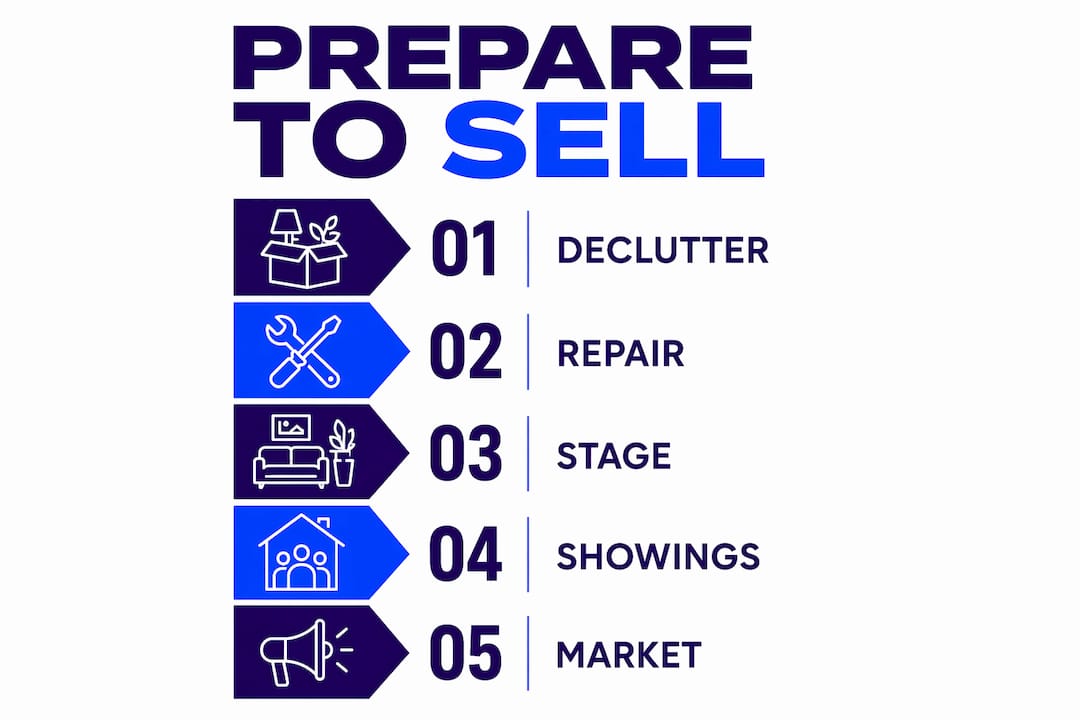
Declutter every room. Remove personal items, excess furniture, and anything that makes spaces feel cramped. 91% of agents recommend decluttering as a top pre-listing activity. That number reflects how directly clutter affects buyer perception.
-
Depersonalize the space. Take down family photos, personal collections, and anything that makes it harder for buyers to picture themselves living there. Neutral tones on walls help buyers mentally move in.
-
Deep clean the entire property. Clean every surface, including baseboards, windows, grout lines, and appliances. A professionally cleaned home signals that the property has been well maintained.
-
Handle minor repairs. Fix leaky faucets, patch holes in drywall, replace broken light fixtures, and touch up scuffed paint. These small fixes cost little but signal neglect if left undone.
-
Boost curb appeal. Trim hedges, mow the lawn, plant fresh flowers near the entry, and power wash the driveway. The exterior is the first thing buyers see, in person and in photos.
-
Schedule a pre-sale inspection. A pre-sale inspection covers structure, roof, plumbing, HVAC, and health hazards like mold and radon. Getting one done early gives you time to address issues on your own schedule rather than scrambling after a buyer's inspector flags them.
Pro Tip: Get repair cost estimates even for items you decide not to fix. Accurate numbers give you leverage in negotiations and help you price the home correctly.
Engaging in a pre-sale inspection early avoids surprises during the buyer's due diligence period. Sellers who know their home's condition walk into negotiations with confidence.
How does home staging impact sale price and time on market?
Home staging is the practice of arranging furniture, decor, and lighting to present a property in its best possible light for buyers. It goes well beyond decoration. Staging strategically highlights a home's best features to increase offers and reduce time listed.

The numbers back this up. According to the National Association of Realtors, 29% of agents say staging increases sale price by 1%–10%, and 49% observe faster sales as a direct result. The median cost for professional staging service is $1,500. For a $700,000 home, a 1% price increase alone returns $7,000, making staging one of the highest-return investments a seller can make.
Key rooms to stage first
- Living room. Clear out oversized furniture, add neutral throw pillows, and create a clear focal point like a fireplace or view window.
- Primary bedroom. Use crisp white bedding, remove personal items from nightstands, and add simple lamps for warm lighting.
- Kitchen. Clear countertops completely. Leave only one or two decorative items. Buyers want to see counter space, not appliances.
- Bathrooms. Replace worn towels with fresh white ones, add a small plant, and remove all personal toiletries from view.
Pro Tip: If full professional staging is outside your budget, hire a staging consultant for a one-time walkthrough. They will tell you exactly what to move, remove, or add. This typically costs $200–$400 and delivers most of the benefit.
| Staging approach | Estimated cost | Typical benefit |
|---|---|---|
| DIY staging | $0–$200 | Moderate improvement in presentation |
| Staging consultation | $200–$400 | Targeted advice, high return per dollar |
| Full professional staging | $1,500+ | Maximum visual impact, fastest results |
Photos are important for 73% of buyers' agents, which means a staged home photographed well creates a compounding advantage. Better photos drive more showings. More showings drive more offers.
What are best practices for managing home showings?
Showings require daily management once your home is listed. Most sellers underestimate how much showing-day preparation affects buyer feedback and the offers that follow. A home that looks great in photos but feels cluttered or smells stale during a showing loses buyers fast.
Before every showing, run through this checklist:
- Clear all clutter from counters, tables, and visible surfaces
- Wipe down kitchen and bathroom surfaces
- Take out trash and remove any food odors
- Open window treatments to maximize natural light
- Turn on all interior lights, including closet lights
- Remove pets and their food bowls, beds, and toys
- Disable alarm systems or leave clear entry instructions for agents
- Secure valuables including jewelry, medications, and personal documents
Pro Tip: Bake a small batch of cookies or brew fresh coffee before a showing. Scent is one of the most powerful triggers in buyer perception, and a pleasant smell creates an immediate positive association.
Creating a welcoming atmosphere takes less than 30 minutes when you build a routine. Odor neutralization, clutter removal, and lighting optimization are the three factors that most consistently affect buyer feedback. Treat every showing like the buyer walking through could be your best offer.
How does your listing strategy affect the final sale price?
The way you market your home is just as important as how you prepare it physically. A well-prepared home that is poorly marketed will still underperform. The listing strategy determines how many buyers see your home and how competitive the offers become.
MLS exposure is the single most powerful marketing tool available to sellers. Homes listed on MLS sell for 17.5% more on average than those sold privately, increasing seller proceeds by about $53,000. That gap exists because MLS listings reach the full pool of active buyers through platforms like Zillow, Realtor.com, and Redfin simultaneously.
Listing elements that drive buyer interest
High-quality photography is non-negotiable. A professional photographer captures light, space, and angles that a smartphone cannot replicate. Virtual tours and video walkthroughs extend your reach to out-of-state buyers and those who want to pre-qualify a home before scheduling a showing.
Pricing strategy matters just as much as presentation. Tools like Zillow's Zestimate provide a baseline, but a local agent's comparative market analysis gives you a more accurate picture of what buyers in your specific neighborhood will pay. Overpricing a home causes it to sit on the market. A home that sits too long signals problems to buyers, even when none exist.
52% of sellers cite an agent's ability to expose their home to the largest pool of buyers as the most critical factor in choosing representation. That statistic points directly to why agent selection matters. An agent who lists on MLS, runs targeted digital ads, and has an active buyer network will consistently outperform one who does not.
| Marketing approach | Buyer reach | Impact on sale price |
|---|---|---|
| MLS listing only | Broad, national | Strong baseline |
| MLS + professional photos | Broad + visual appeal | Higher click-through and showings |
| MLS + photos + virtual tour | Maximum reach | Fastest sales, most competitive offers |
| Private sale (no MLS) | Limited, local | Significantly lower average proceeds |
For sellers in San Diego, resources like the pre-listing repair guide from Jeffsellssandiego offer neighborhood-specific advice on which improvements deliver the best return before listing.
Key Takeaways
Preparing your home for sale requires combining physical preparation, professional staging, consistent showing management, and MLS-backed marketing to achieve the highest possible sale price.
| Point | Details |
|---|---|
| Pre-sale inspection | Schedule one early to identify issues and negotiate from a position of knowledge. |
| Declutter and depersonalize | 91% of agents recommend this as the top pre-listing step to improve buyer perception. |
| Stage key rooms | Professional staging costs a median of $1,500 and can increase sale price by 1%–10%. |
| Manage showings daily | Odor, lighting, and clutter control directly affect buyer feedback and offer quality. |
| Use MLS marketing | MLS-listed homes sell for 17.5% more on average than privately sold properties. |
What I've learned about preparing homes to sell in San Diego
Most sellers focus heavily on the big-ticket items: kitchen updates, fresh paint, new landscaping. Those things matter. But the sellers I've worked with who get the strongest offers are the ones who stay consistent after the home is listed.
The showing-day routine is where deals are won or lost. I've seen beautifully staged homes lose buyers because of a single bad showing. A pet smell, a dark hallway, or a cluttered garage can undo weeks of preparation in five minutes. Buyers make emotional decisions, and those decisions happen fast.
My honest advice: do not wait until the week before listing to start preparing. Give yourself four to six weeks. Use the first two weeks for decluttering, repairs, and the pre-sale inspection. Use the next two weeks for staging and photography. That timeline lets you fix problems instead of rushing past them.
One thing most articles won't tell you: getting repair cost estimates for items you choose not to fix is just as valuable as fixing them. When a buyer's inspector flags an issue, you can respond with a real number instead of guessing. That keeps negotiations grounded and prevents buyers from inflating repair credits.
Choosing the right agent early changes everything. An agent who knows your neighborhood, has an active buyer network, and markets aggressively on MLS will consistently outperform one who does not. If you want to understand what maximizing your home's value actually looks like in the San Diego market, start that conversation before you start packing boxes.
— Jeff
Selling your San Diego home with Jeffsellssandiego
Jeffsellssandiego works with San Diego homeowners to prepare, price, and market their properties for the strongest possible outcome.

Jeff Hinds brings local market knowledge, a full MLS marketing approach, and hands-on guidance through every step of the selling process. From your first walkthrough to closing day, you get a clear plan and a dedicated advocate. Whether you want a free home valuation to understand your starting point or you are ready to review the complete seller's guide for San Diego, Jeffsellssandiego has the tools and experience to help you sell with confidence. Reach out today to get a personalized preparation plan built around your home and your timeline.
FAQ
What is the first step to prepare a house for listing?
Decluttering and depersonalizing are the top recommended first steps. Ninety-one percent of agents say these actions most directly improve buyer perception before any other preparation begins.
Does home staging really increase sale price?
Yes. The National Association of Realtors reports that 29% of agents see staging increase sale price by 1%–10%, with 49% observing faster sales as a result.
How important is MLS listing for selling a home?
MLS listing is the most effective marketing tool for sellers. Homes listed on MLS sell for 17.5% more on average than those sold privately, a difference of roughly $53,000 in seller proceeds.
Should I get a pre-sale inspection before listing?
A pre-sale inspection is not required but strongly recommended. It identifies structural, plumbing, HVAC, and health hazard issues early so you can address them on your own timeline rather than during buyer negotiations.
How do I prepare my home for showings every day?
Clear clutter, wipe surfaces, neutralize odors, open window treatments, turn on all lights, and remove pets before every showing. Consistent showing-day preparation directly affects buyer feedback and offer quality.