
A pre-listing inspection is a professional home inspection completed before you put your property on the market, giving you documented knowledge of your home's condition before any buyer sets foot inside. Unlike a buyer's inspection, which happens after an offer is accepted, this evaluation puts you in the driver's seat. You learn what needs attention, what to disclose, and how to price your home with confidence. For San Diego sellers navigating a competitive market, that knowledge is a real advantage.
What is a pre-listing inspection and why does it matter?
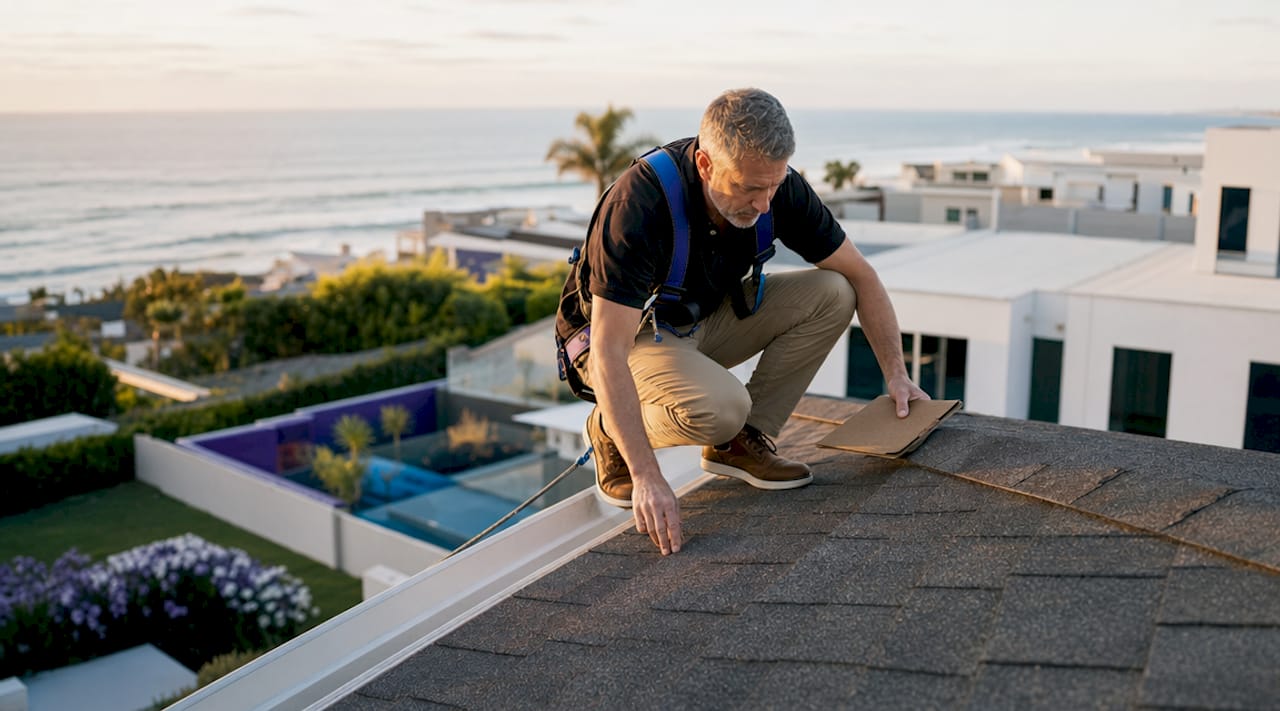
A pre-listing inspection, also called a seller's inspection, is a visual, noninvasive evaluation of your home's major systems and structural components conducted by a licensed home inspector before you list the property. The inspector examines the roof, foundation, electrical panel, plumbing, HVAC system, windows, and other accessible components, then delivers a written report detailing findings and recommendations.
The industry term "seller's inspection" is worth knowing because it signals to buyers and agents that you took the initiative. NAR agents recommend pre-listing inspections specifically to handle repairs before marketing and enable upfront disclosure, which removes the single biggest source of contract cancellations. That is not a minor benefit. A deal that falls apart after 30 days under contract costs you time, money, and momentum.
The inspection report gives you three clear options for every finding: repair it before listing, disclose it to buyers without fixing it, or reflect it in your asking price. That framework turns a potentially stressful discovery into a strategic decision.
Why do sellers get a pre-listing inspection?
The core advantage is control. Sellers gain control over repairs on their own timetable rather than scrambling to fix problems under contract pressure with a closing date looming. Here is what that control looks like in practice:
- Fewer surprises under contract. When a buyer's inspector finds a cracked heat exchanger or failing water heater, the deal often stalls or dies. Knowing about it first lets you fix it or price for it.
- Stronger negotiating position. A seller who can hand buyers a clean inspection report, or a report paired with completed repair receipts, negotiates from a position of documented fact rather than guesswork.
- Accurate pricing from day one. Homes priced correctly from the start sell faster and closer to asking price. A pre-listing inspection removes the uncertainty that leads to overpricing or last-minute concessions.
- Built-in buyer trust. Marketing a home as pre-inspected works similarly to a certified pre-owned vehicle. It signals transparency and reduces buyer anxiety, which matters in a market where buyers are cautious.
- Reduced risk of canceled contracts. Contract cancellations are expensive and damaging to your listing's market perception. Proactive disclosure dramatically lowers that risk.
- Especially valuable for older homes. Properties built before 1980 in San Diego often carry deferred maintenance, original electrical wiring, or aging plumbing that buyers will flag. Getting ahead of those findings is worth every dollar of the inspection fee.
Pro Tip: If you are selling a home built before 1978, ask your inspector to note any visible signs of lead paint or asbestos-containing materials. Disclosing these proactively, rather than waiting for a buyer's inspector to flag them, keeps negotiations from derailing.
How does a pre-listing inspection work?
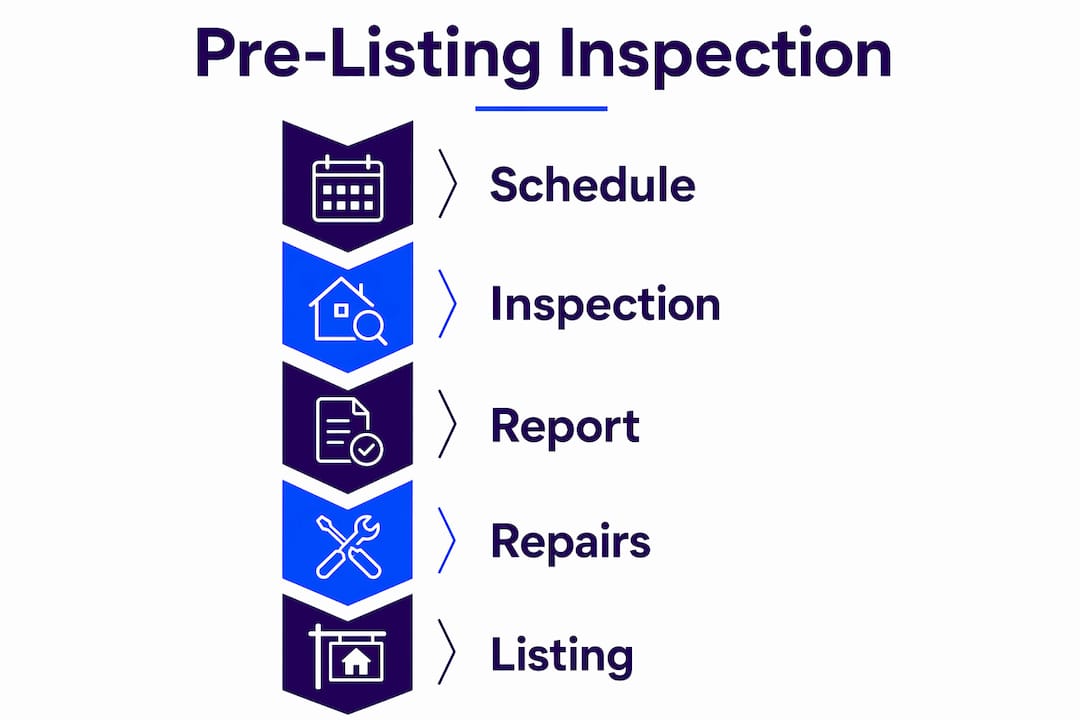
The process is straightforward, but timing is everything. Schedule the inspection at least two to six weeks before your target listing date, and ideally two to three months out if your home is older or you suspect significant issues. Some sellers schedule as early as six to twelve months ahead to allow time for larger repairs without rushing contractors.
Here is what to expect from start to finish:
- Hire a licensed inspector. Choose a certified inspector with experience in your home's age and type. In California, look for membership in ASHI (American Society of Home Inspectors) or InterNACHI (International Association of Certified Home Inspectors).
- Prepare the home. Clear access to the attic, crawl space, electrical panel, water heater, and HVAC equipment. Inspectors can only evaluate what they can physically reach and see.
- The inspection itself. A standard inspection takes two to four hours depending on home size. The inspector evaluates the roof, foundation, exterior, interior, plumbing, electrical, heating and cooling systems, and built-in appliances.
- Receive the written report. Most inspectors deliver a detailed digital report within 24 to 48 hours. The report includes photos, descriptions of findings, and recommendations for repair or further evaluation.
- Review findings with your agent. Go through the report with your real estate agent and sort findings into three categories: repair before listing, disclose without fixing, or adjust price to reflect the condition.
- Complete repairs and document everything. For any repairs you make, keep receipts, invoices, and permits. This documentation becomes part of your disclosure package and builds credibility with buyers.
The inspection scope is limited to what is visually accessible. Inspectors do not open walls, run specialized tests for mold or radon, or evaluate components that are blocked or inaccessible. That limitation matters because it means some issues can remain hidden even after a thorough inspection.
Legal and disclosure considerations for sellers
Pre-listing inspections are optional in California and most other states, but ordering one creates a legal obligation you need to understand before you proceed. Once you have a written inspection report, you have documented "actual knowledge" of your home's condition. That knowledge must be accurately disclosed to buyers.
Washington's Form 17 is a well-known example of how states formalize this obligation. Once a seller has a report, they must disclose documented issues on the mandatory seller disclosure form. California operates under a similar principle through the Transfer Disclosure Statement (TDS). The specifics vary by state, so checking your local rules before ordering the inspection is worth doing.
Key points every seller should know:
- You cannot un-know what the report reveals. Once you read it, you are legally required to disclose material defects to buyers in most states.
- Sharing the report builds trust. Providing buyers with the full report, along with repair documentation, reduces suspicion and speeds up negotiations.
- Withholding findings creates liability. Sellers who receive an inspection report and fail to disclose material defects face potential legal exposure after closing.
- The report does not replace buyer inspections. Buyers retain the right to conduct their own inspections regardless of what you provide. Your report supplements their due diligence; it does not replace it.
Pro Tip: Before ordering a pre-listing inspection, consult your real estate agent about your state's specific disclosure requirements. In California, real estate disclosure rules differ from other states, and understanding your obligations upfront prevents surprises later.
Common misconceptions about pre-listing inspections
Several misunderstandings lead sellers to either avoid pre-listing inspections or misuse the results. Here is a direct comparison of what sellers often believe versus what is actually true:
| Common belief | Reality |
|---|---|
| The seller's inspection replaces the buyer's inspection | Buyers almost always order their own inspection regardless of what the seller provides |
| A clean report means no hidden problems | Inspections are visual and noninvasive; hidden defects behind walls or underground can still exist |
| Sellers must fix everything in the report | The report guides strategic decisions. Sellers choose what to repair, disclose, or price for |
| Providing the report shifts liability away from the seller | The report creates disclosure obligations, not immunity from them |
| Pre-listing inspections are only for older homes | Any home can benefit, especially if the seller has limited knowledge of recent repairs or system ages |
The most costly misconception is assuming the inspection provides a warranty. It does not. Inspection scope is limited to visual, noninvasive evaluations of accessible components. A buyer who discovers a hidden defect after closing can still pursue legal remedies if they believe the seller had knowledge and failed to disclose it.
How to use pre-listing inspection results strategically
Getting the report is only the first step. How you use it determines whether the inspection pays off. Titan Inspection Services advises sellers to sort findings into three buckets: repair before listing, disclose without fixing, and adjust price to reflect condition. That framework keeps you from either over-spending on repairs or leaving money on the table.
- Prioritize safety and marketability repairs. Fix items that affect safety (faulty electrical, gas leaks, structural concerns) and items that buyers will demand regardless, such as a failing roof or non-functional HVAC. These repairs protect your asking price.
- Disclose minor cosmetic or functional issues. A cracked tile, an aging water heater that still works, or a slow-draining sink may not be worth fixing. Disclosing them honestly is often better than rushing a repair.
- Adjust price for larger deferred maintenance. If the roof has five years of life left and replacement costs $18,000, pricing the home to reflect that reality is cleaner than negotiating it out under contract.
- Pair the report with documentation. Combining the report with receipts, invoices, and permits for completed repairs tells buyers a story of a well-maintained home. That story reduces haggling.
- Market the home as pre-inspected. Your listing agent can highlight the pre-inspection in marketing materials. Buyers who see "pre-inspected, reports available" feel less risk, which translates to stronger offers.
For sellers in San Diego neighborhoods like Allied Gardens or Del Cerro, knowing which pre-listing repairs actually move the needle in your specific market is the difference between a fast sale and a stale listing.
Pro Tip: Ask your inspector to prioritize findings by severity in the report. Most licensed inspectors will flag items as safety concerns, major defects, or maintenance items. That hierarchy makes your repair and disclosure decisions much faster.
Key takeaways
A pre-listing inspection gives sellers documented knowledge of their home's condition before buyers ever see it, turning potential surprises into strategic decisions on repairs, pricing, and disclosure.
| Point | Details |
|---|---|
| Definition and purpose | A seller's inspection is a professional visual evaluation completed before listing to document home condition. |
| Timing matters | Schedule two to six weeks before listing at minimum, or two to three months out for older homes. |
| Three-bucket strategy | Sort every finding into repair, disclose, or price adjustment to maximize sale outcomes. |
| Disclosure obligation | Once you have a report, you must accurately disclose all material findings in most states. |
| Buyers still inspect | A pre-listing report supplements buyer due diligence but never replaces the buyer's own inspection. |
My take on pre-listing inspections after years in San Diego real estate
I have watched sellers skip the pre-listing inspection to save a few hundred dollars, then lose thousands in last-minute concessions when the buyer's inspector found a water intrusion issue or an aging electrical panel. The math never works in their favor.
The sellers who come to the table with a pre-listing report, completed repairs, and clean documentation close faster, with fewer headaches, and often at stronger prices. Buyers in San Diego are sophisticated. They notice when a seller has done the work upfront, and it changes how they write their offers.
My strongest advice: hire an experienced, certified inspector, not the cheapest one you can find. A thorough inspector who communicates findings clearly is worth the extra cost. And schedule early. Rushing repairs in the two weeks before listing creates sloppy work and stressed sellers. Give yourself two to three months and you will feel the difference.
One thing sellers often overlook is that the inspection report also helps you as the seller understand your own home better. Many homeowners have lived in their properties for years without ever seeing the inside of their electrical panel or knowing the age of their water heater. That knowledge makes every conversation with buyers more confident and credible.
— Jeff
Ready to list your San Diego home with confidence?
Preparing your home for sale is more than cleaning and staging. It requires a clear strategy, and a pre-listing inspection is one of the most powerful tools in that process. Jeffsellssandiego works with San Diego homeowners to build a complete pre-listing plan, from inspection timing and repair prioritization to pricing strategy and buyer negotiations.
Whether you are selling in North Park, La Mesa, Allied Gardens, or anywhere across San Diego County, Jeffsellssandiego brings the local market knowledge and hands-on guidance to help you sell your home with confidence. Browse current San Diego listings to understand your competition, or reach out directly to start building your selling strategy today.
FAQ
What does a pre-listing inspection cover?
A pre-listing inspection covers the roof, foundation, exterior, interior, plumbing, electrical, HVAC, and built-in appliances through a visual, noninvasive evaluation. Inspectors document findings in a written report with photos and repair recommendations.
How much does a pre-listing inspection cost?
Pre-listing inspection costs typically range from $300 to $500 for a standard single-family home, depending on property size, age, and location. The fee is a small investment compared to the cost of last-minute contract concessions or a canceled deal.
When should I schedule a pre-listing inspection?
Schedule at least two to six weeks before your target listing date, and up to two to three months ahead for older homes or properties with known issues. Earlier scheduling gives you time to complete repairs without rushing.
Do I have to share the inspection report with buyers?
You are not always legally required to hand over the full report, but once you have it, you must disclose all material defects it documents. Sharing the report along with repair receipts builds buyer trust and reduces negotiation friction.
Will buyers still get their own inspection if I provide mine?
Yes. Buyers retain the right to conduct their own independent inspection regardless of what the seller provides. Your pre-listing report helps set expectations and reduces surprises, but it does not replace the buyer's due diligence.