
A home inspection is a noninvasive, visual assessment of a property's structural and mechanical condition, conducted by a licensed professional before the sale closes. The role of home inspections in any real estate transaction is to give buyers and sellers an objective picture of what they are actually buying or selling. In San Diego, where median home prices remain among the highest in California, that picture is worth far more than the $300 to $500 inspection fee. Inspectors evaluate the roof, foundation, electrical systems, plumbing, and HVAC to produce a written report that directly shapes negotiations, contingencies, and final decisions.
What does the role of home inspections cover?
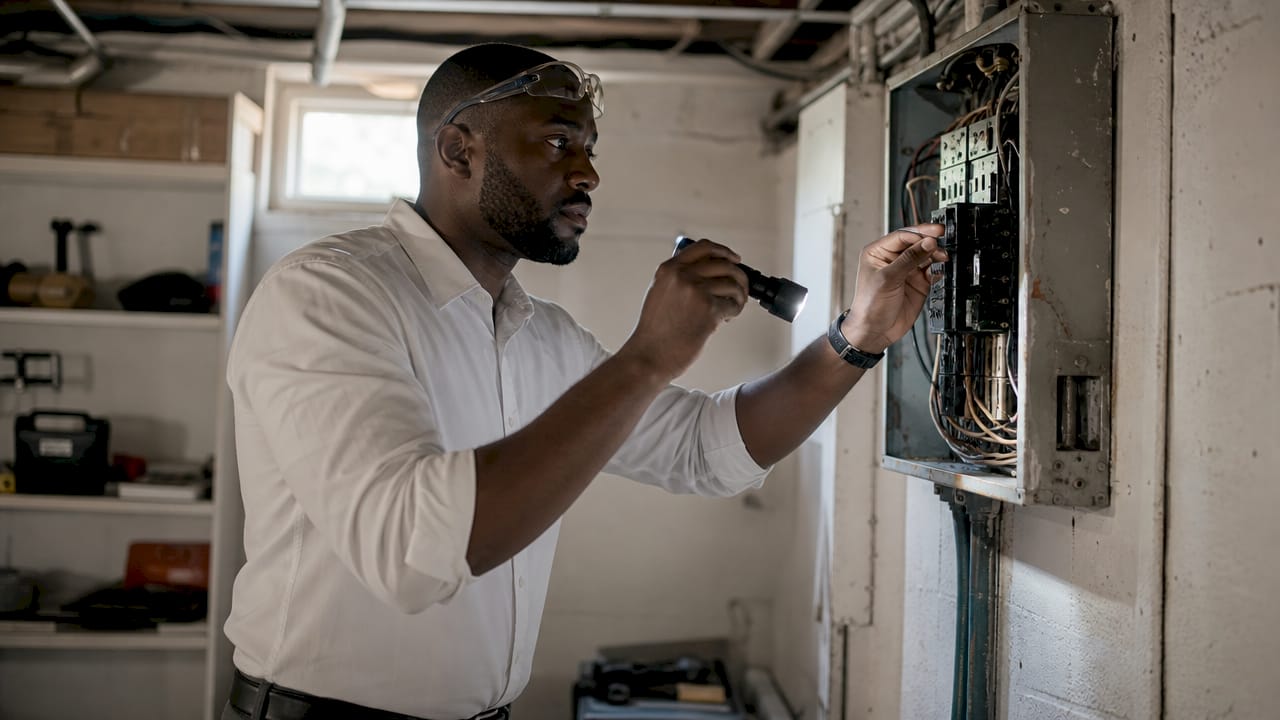
A home inspection covers ceilings, walls, floors, windows, doors, electrical panels, plumbing fixtures, and HVAC equipment in a single, high-coverage visual scan. Inspectors do not open walls or run destructive tests. They document what they can observe and measure, then deliver a written report with findings ranked by severity.
The typical inspection checklist breaks into four major categories:
- Structural elements: Foundation integrity, roof condition, framing, and drainage around the property
- Mechanical systems: Heating and cooling equipment, water heater, electrical panel and wiring, and plumbing supply and drain lines
- Interior conditions: Ceilings, walls, floors, windows, doors, insulation, and ventilation
- Exterior conditions: Siding, grading, driveways, decks, and attached structures like garages
Common defects found in San Diego homes include aging roofing materials, outdated electrical panels such as Federal Pacific or Zinsco brands, galvanized plumbing past its service life, and moisture intrusion in coastal properties. Each of these carries different cost implications, which is exactly why the written report matters.
Pro Tip: Attend the inspection in person. Buyers who attend ask questions directly and leave with a far clearer understanding of the property than those who only read the report afterward.
How does the home inspection process work in San Diego?
The home inspection process fits into a specific window in the transaction timeline, and missing that window costs buyers real leverage. Here is how the sequence typically runs:
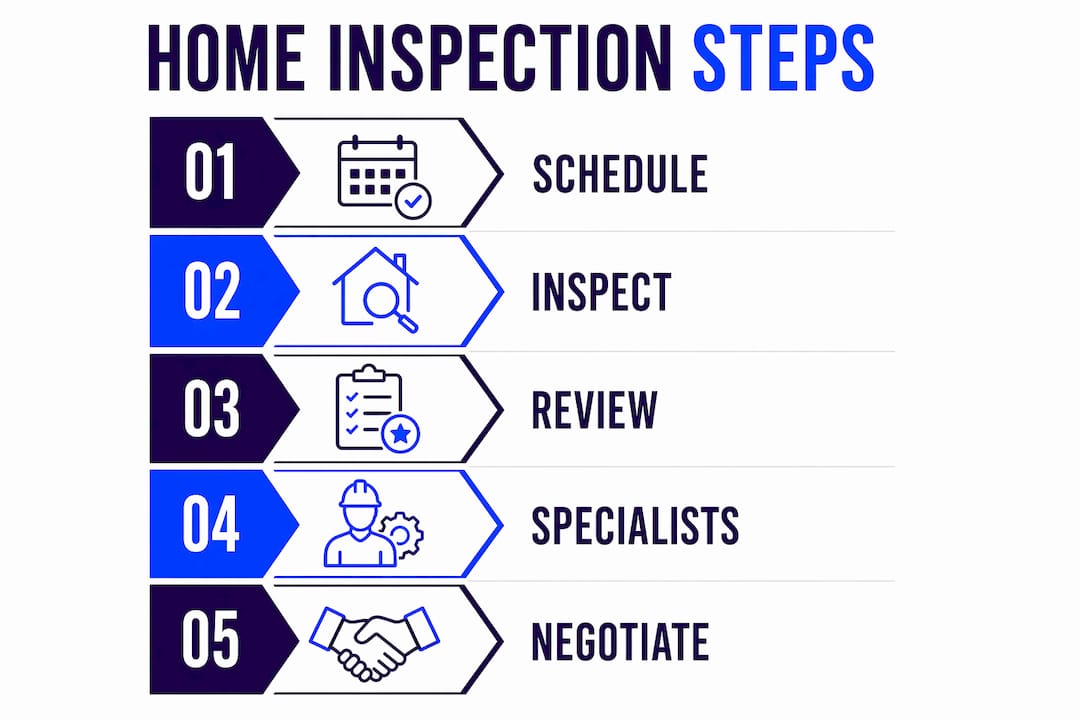
- Offer acceptance. The buyer and seller execute a purchase agreement. The inspection contingency period begins immediately, usually running 7 to 10 days.
- Scheduling. The buyer selects and pays for a licensed inspector. In San Diego, inspections typically occur post-offer acceptance but before closing, and scheduling within the first 48 hours of the contingency period is strongly advisable.
- The inspection itself. A standard single-family home inspection takes two to four hours depending on size and age. The buyer should be present for the walkthrough.
- Report delivery. Most inspectors deliver a written report within 24 hours. The report documents every observed condition with photos and recommended next steps.
- Specialist follow-ups. If the general inspector flags a concern with the roof, foundation, or electrical system, a specialist such as a structural engineer or licensed electrician may need to evaluate further. This takes additional time inside the contingency window.
- Negotiation or decision. The buyer uses the report to request repairs, ask for a price reduction, seek a credit at closing, or exercise the right to cancel the contract without penalty.
Planning the inspection on day one or two of the contingency period leaves enough time for specialist visits and negotiation before the deadline. Waiting until day seven removes that buffer entirely.
What are the benefits of home inspections for buyers and sellers?
86% of home inspections uncover at least one issue, and buyers negotiate an average of $14,000 in savings based on those findings. That single statistic explains why skipping an inspection to win a competitive offer is a high-risk trade-off.
For buyers, the benefits are direct:
- Confidence that no major safety hazard or structural defect is hidden
- A documented basis for negotiating repairs, price reductions, or closing credits
- The legal right to walk away without penalty if findings are unacceptable
- A maintenance roadmap for the first years of ownership
For sellers, the calculus is equally clear. A pre-listing inspection identifies deal-killing defects before they surface during a buyer's inspection, giving the seller time to repair or price accordingly. Sellers who disclose known issues upfront reduce the risk of a renegotiation or contract cancellation late in escrow.
| Scenario | Outcome without inspection | Outcome with inspection |
|---|---|---|
| Hidden roof damage | Buyer discovers post-close, pays full repair cost | Buyer negotiates credit or seller repairs before close |
| Outdated electrical panel | Lender may flag at appraisal, delaying close | Identified early, addressed within contingency window |
| Seller pre-listing inspection | Buyer's inspector finds issues, deal renegotiated | Seller controls narrative, prices home accurately |
| Waived contingency | Buyer has no recourse for discovered defects | Buyer retains right to renegotiate or cancel |
Pro Tip: Inspection fees of $300 to $500 are a small fraction of the repair costs they help buyers avoid. Treat the inspection as insurance, not an optional expense.
If major repairs are uncovered and the seller will not negotiate, buyers who need financing to cover those costs can explore options like a home remodeling loan to address them after closing.
Common misconceptions about home inspection reports
San Diego buyers and sellers frequently misread inspection reports because they expect a pass or fail verdict. A home inspection report is a condition summary, not a grading system. Every home, including a newly built one, will have a list of findings. That list does not mean the home is a bad purchase.
The most common misconceptions worth correcting:
- "A long report means a bad house." A thorough inspector on a well-maintained home still produces a 40-page report. Length reflects thoroughness, not severity.
- "Sellers must fix everything." Sellers have no legal obligation to repair every item on an inspection report. Negotiations determine what gets addressed.
- "Minor issues are not worth mentioning." Deferred maintenance items like caulking, weatherstripping, or a slow drain are worth noting because they signal how well the home has been maintained overall.
- "The inspector guarantees the home." Inspectors document visible conditions at a single point in time. They do not warranty the home against future failures.
Issues in a report fall into three practical tiers. Safety hazards such as exposed wiring or a cracked heat exchanger require immediate attention. Functional defects like a failing water heater or damaged roof flashing need repair or negotiation before closing. Maintenance items like aging caulk or a slow-draining sink are future to-do list items.
Pro Tip: When you receive a 50-item report, focus first on safety hazards and any repair estimated above $1,500. Everything else is context, not crisis.
How do inspection contingencies protect buyers in San Diego?
An inspection contingency is a clause in the purchase contract that gives the buyer the right to review the inspection report and take action based on findings within a defined timeframe. Inspection contingency clauses protect buyers from unforeseen defects and provide direct leverage in negotiations. Without one, a buyer who discovers a $30,000 foundation problem after signing has no contractual exit.
The contingency window in San Diego typically runs 7 to 10 days from offer acceptance. Within that window, buyers can:
- Request that the seller make specific repairs before closing
- Ask for a price reduction or closing credit in lieu of repairs
- Bring in specialist inspectors for further evaluation of flagged items
- Cancel the contract entirely and receive their earnest money deposit back
Many lenders require a satisfactory inspection before approving financing, which means the contingency also protects the buyer's loan approval. A property with serious structural or safety defects can trigger appraisal conditions that delay or block financing.
Waiving the inspection contingency in a competitive San Diego market is a real tactic some buyers use to strengthen their offer. The risk is absolute: any defect discovered after closing becomes the buyer's financial responsibility with no recourse. Buyers considering a waiver should at minimum conduct a pre-offer walkthrough with a contractor to reduce exposure.
Key takeaways
Home inspections are the most reliable tool buyers and sellers have to understand a property's true condition before money changes hands.
| Point | Details |
|---|---|
| Inspections are condition reports | Reports document observed issues by severity, not pass or fail verdicts. |
| Timing inside contingency matters | Schedule the inspection within 48 hours of offer acceptance to preserve time for specialist follow-ups. |
| Buyers average $14,000 in savings | Inspection findings give buyers documented leverage to negotiate repairs, credits, or price reductions. |
| Pre-listing inspections benefit sellers | Sellers who inspect early control the narrative and reduce the risk of late-stage renegotiations. |
| Contingencies protect both parties | Waiving the inspection contingency removes all buyer recourse for defects discovered after closing. |
What I've learned about inspections after years in San Diego real estate
I have watched buyers panic over 50-page inspection reports and walk away from solid homes over a list of deferred maintenance items. I have also watched buyers skip the inspection entirely to win a bidding war, only to discover a failed sewer line two weeks after moving in. Both outcomes were avoidable.
The inspection report is information. That is its entire purpose. A good inspector does not tell you whether to buy a home. The inspector tells you what the home is. What you do with that information is where strategy comes in.
In my experience, the buyers who get the most value from inspections are the ones who show up, ask questions, and then sit down with their agent to triage the findings before sending a repair request. Sending a list of 30 items to a seller is a negotiation mistake. Sending a focused request for the three items that matter most is how you actually get results.
For sellers, the pre-listing inspection is one of the most underused tools in San Diego. Knowing what a buyer's inspector will find before they find it puts you in control of the conversation. You can repair it, price for it, or disclose it. All three options are better than being surprised in escrow.
The importance of home inspections is not about finding reasons to kill a deal. It is about making sure that when you close, you close with your eyes open.
— Jeff
Ready to buy or sell in San Diego with confidence?
Understanding the home inspection process is one part of navigating a San Diego real estate transaction successfully. Jeffsellssandiego works with buyers and sellers throughout the city to interpret inspection findings, build negotiation strategies, and close with confidence.

Whether you are searching for your next home or preparing to list, the home search listings at Jeffsellssandiego give you a current view of the San Diego market. Buyers can also explore the buyer's guide for a step-by-step walkthrough of the purchase process, including how to use inspection reports to your advantage. Sellers looking to maximize their outcome can find targeted advice in the seller's guide. Reach out directly to Jeff Hinds for personalized guidance on your next move.
FAQ
What does a home inspector check during an inspection?
A home inspector conducts a visual review of structural elements, mechanical systems, and safety-related components including the roof, foundation, electrical panel, plumbing, and HVAC. The inspection covers ceilings, walls, floors, windows, and doors, with findings documented in a written report.
How long does a home inspection take in San Diego?
Most single-family home inspections take two to four hours depending on the size and age of the property. Report delivery typically follows within 24 hours of the walkthrough.
Can a buyer back out after a home inspection?
Yes. A buyer with an active inspection contingency can cancel the contract and recover their earnest money deposit if inspection findings are unacceptable. Contingency clauses exist specifically to protect buyers from undisclosed defects.
Should sellers get a home inspection before listing?
A pre-listing inspection allows sellers to identify and address issues before buyers discover them, reducing the risk of renegotiation or deal cancellation during escrow. Sellers who use pre-listing inspections can price their home more accurately and market it with greater transparency.
Is it worth waiving a home inspection to win a competitive offer?
Waiving the inspection contingency removes all buyer protections against defects discovered after closing. In San Diego's competitive market, some buyers take this risk, but a pre-offer contractor walkthrough is a practical way to reduce exposure before waiving formal inspection rights.