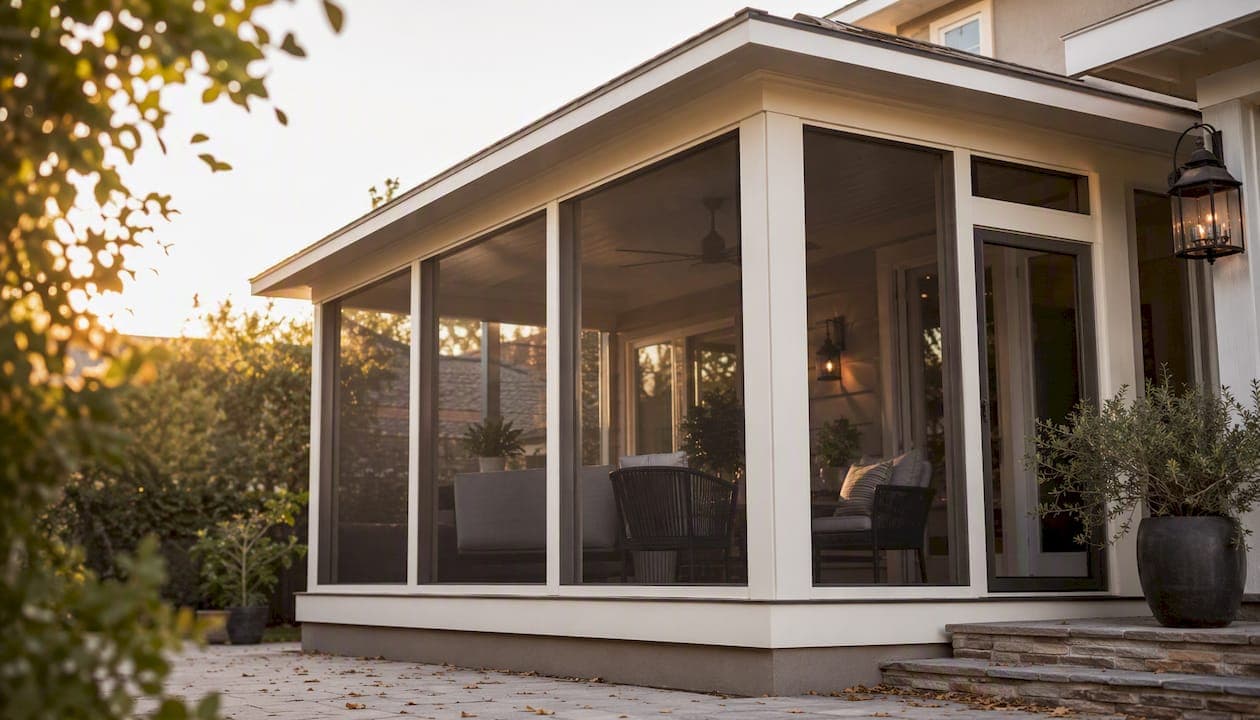
A screened-in porch can add resale value, but whether it pays off depends on three things: local buyer demand, how well the porch integrates with the home's architecture, and whether the work was permitted. Sellers in outdoor-living markets like San Diego typically see returns in the 70%–84% range of construction cost at resale, though that figure shifts quickly when any of the three conditions above is missing.
- Market demand: In mild-climate cities where buyers expect usable outdoor space, a screened porch is a differentiator. In markets where buyers rarely use outdoor rooms, it's a neutral feature at best.
- Architectural integration: A porch that matches the roofline, trim, and materials reads as a permanent improvement. One that looks bolted on reads as a liability.
- Permits and condition: Unpermitted work and visible screen deterioration are the two fastest ways to turn a porch from an asset into a negotiation problem.
Pro Tip: If you're deciding whether to add screens before listing, get your agent's comparable market analysis first. The comps will tell you more than any national ROI average.
Key Takeaways
A screened-in porch adds resale value when it's permitted, well-maintained, and matched to what local buyers actually want.
| Point | Details |
|---|---|
| ROI range to expect | Industry sources consistently cite 70%–84% recoup of costs in favorable markets. |
| Permits protect your ROI | Unpermitted porch work creates transaction friction and can reduce net return at closing. |
| Condition is the multiplier | Torn screens and poor maintenance turn a selling point into a negotiation discount. |
| Sunrooms add square footage | Screened porches don't count as conditioned space; value appears in buyer offers, not appraisals. |
| Jeffsellssandiego | Provides comp pulls, buyer-profile research, and listing strategy to maximize porch value for San Diego sellers. |
Table of Contents
- What drives whether a screened-in porch increases resale value?
- Which buyers and markets value screened-in porches most?
- Screened porch vs. sunroom: which one wins at resale?
- Should you add a screened-in porch before listing?
- How to present an existing screened-in porch in your listing
- How a screened porch realistically affects time on market
- Next steps: how your agent evaluates porch ROI
- A San Diego agent's perspective on screened porches
- How Jeffsellssandiego helps sellers get the most from a porch
- Sources
What drives whether a screened-in porch increases resale value?
Value doesn't come from the porch itself. It comes from how buyers and appraisers perceive it relative to the neighborhood.
Market demand and climate are the starting point. San Diego's year-round mild weather means outdoor living isn't a seasonal luxury; it's a baseline expectation for many buyers. A screened porch extends that usable space while solving for the occasional bug or wind issue, which resonates with buyers who already spend time outdoors. Angi estimates that homeowners recoup roughly 70%–80% of screened-in porch costs when climate, build quality, and permits align.
Architectural integration is where most sellers either win or lose the value argument. A porch that mirrors the home's roofline, uses matching trim, and flows naturally from the interior feels intentional. Buyers register that as a feature. A porch that uses mismatched materials or awkward proportions raises questions about who built it and whether it was inspected.
Condition and maintenance matter more than most sellers expect. Torn screens, sagging frames, and peeling paint are the first things buyers notice, and they immediately discount the porch's perceived value. A well-maintained installation signals that the rest of the home has been cared for.
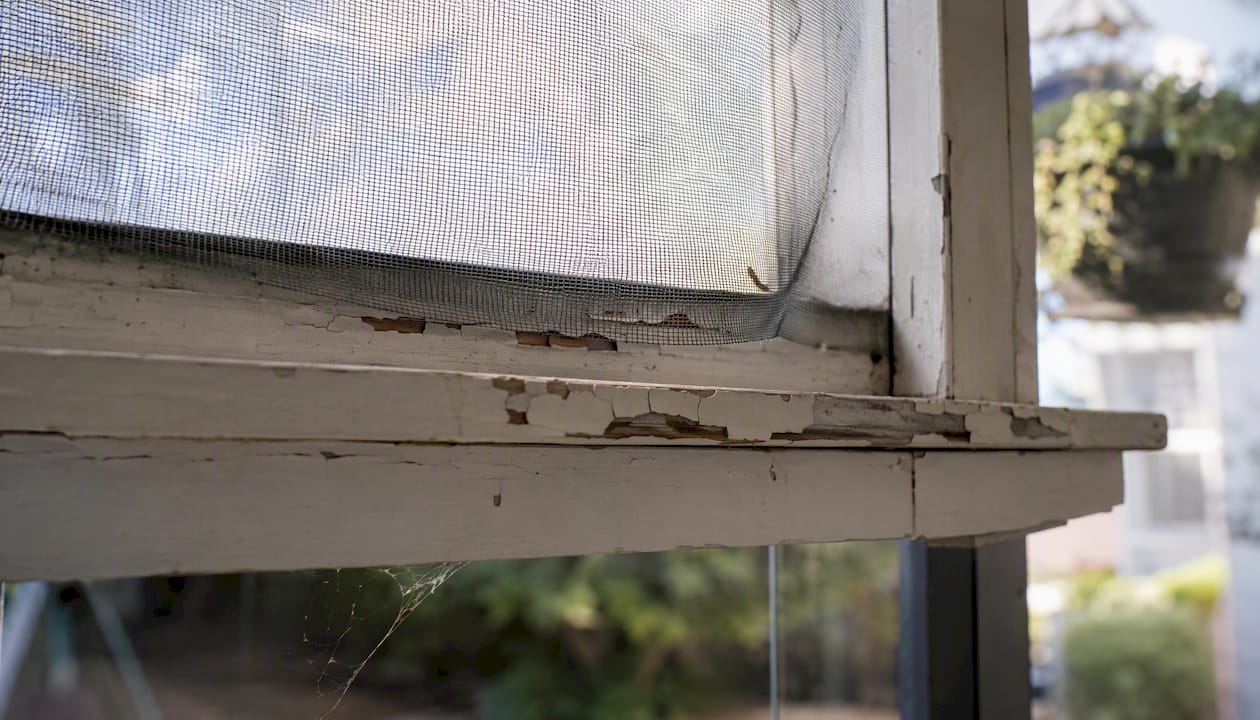
Permits and code compliance carry real transaction risk. Unpermitted porch additions can trigger appraisal flags, slow inspections, or require costly retroactive compliance before a buyer will close. That friction reduces net ROI even when the porch looks great.
Comparable sales are the final check. If nearby homes with screened porches are consistently selling above those without, the market is telling you something. If comps show no premium, adding a porch pre-listing is a harder case to make.
Pro Tip: Appraisers don't count screened porches as conditioned square footage, so the value shows up in buyer offers and comparable sales, not in a direct size-based appraisal adjustment. Price accordingly.
Which buyers and markets value screened-in porches most?
Not every buyer will pay a premium for a screened porch. Knowing who will helps sellers decide whether the investment makes sense for their specific listing.
Buyer profiles most likely to respond:
- Families with young children or pets who want a contained outdoor space
- Buyers relocating from the Southeast or Midwest, where screened porches are standard
- Outdoor entertainers who want a bug-free space for evening gatherings
- Buyers sensitive to allergens or insects who want filtered outdoor air
San Diego market signals that increase demand:
- Neighborhoods with mature tree canopy (more insects, more appeal for screens)
- Homes near canyons or open space where wildlife and bugs are present
- Listings in family-oriented neighborhoods like San Carlos where outdoor play space matters
- Buyers coming from higher-humidity regions who associate screened porches with quality outdoor living
In San Diego's climate, the emotional pull of a screened porch often outweighs the percentage ROI calculation. A buyer who pictures themselves having dinner outside on a warm October evening, without swatting at anything, is a buyer who makes a faster decision. That emotional hook shortens time on market in ways that raw ROI numbers don't fully capture.
Pro Tip: Ask your agent to pull buyer feedback from recent comparable listings. If multiple buyers mentioned outdoor living as a deciding factor, a screened porch is likely to resonate with your pool.
Screened porch vs. sunroom: which one wins at resale?
Sellers sometimes weigh a screened porch against a sunroom. They're not the same decision, and the resale math is different.
A South Carolina market analysis found screened porches typically return 65%–85% of cost in resale metrics, while sunrooms evaluate differently because they can add counted conditioned square footage. That square footage difference is the key variable.
- ROI and resale uplift: Screened porches return 65%–85% in favorable markets. Sunrooms can return more in absolute dollars because they add to the home's official square footage, but they cost significantly more to build.
- Year-round usability: Sunrooms win here. A screened porch in San Diego is usable most of the year, but a sunroom is usable every day.
- Maintenance risk: Screened porches require regular screen replacement and frame upkeep. Sunrooms carry HVAC and glazing maintenance costs.
- Permit risk: Both require permits. Sunrooms carry higher permit complexity and cost.
- Buyer appeal: In San Diego's climate, screened porches often generate stronger emotional responses than sunrooms because they feel more connected to the outdoors.
For most San Diego sellers, a screened porch is the better pre-listing choice: lower cost, faster to complete, and well-matched to what local buyers actually want. A sunroom makes more sense for a seller planning a longer hold or a buyer who wants year-round conditioned space.
Should you add a screened-in porch before listing?
Run through this checklist before committing to any pre-listing porch project.
- Pull neighborhood comps. Do nearby homes with screened porches sell for more, or faster? If the premium isn't visible in the data, the market isn't rewarding it.
- Validate buyer demand. Ask your agent who is buying in your neighborhood right now. Families and outdoor-living buyers are your target; investors and downsizers usually aren't.
- Check permit status. If you're adding new screens or modifying structure, confirm what your municipality requires. Unpermitted work is a deal-killer.
- Run the budget against expected ROI. A LegalClarity summary cites industry sources reporting roughly 84% average ROI in favorable markets. If your budget and expected sale price don't support that math, skip it.
- Assess architectural fit. If the porch will look like an addition rather than part of the original design, it may hurt more than it helps.
Red flags that say skip it:
- The project would require unpermitted work to complete quickly
- No comparable homes in the neighborhood have screened porches
- Premium finishes would push the project cost above what comps support
- The listing timeline is under 30 days
Pro Tip: Screening an existing covered porch is far cheaper than building new, and the ROI percentage is usually better because the cost basis is lower. If you already have a covered porch, that's where to start.
How to present an existing screened-in porch in your listing
The porch needs to earn its place in the listing, not just appear in the background of a photo.
Staging and photography:
- Furnish the porch with clean, scaled furniture so buyers can visualize using it
- Shoot during the golden hour when natural light filters through the screens
- Clear sight lines to the yard or view; remove clutter and storage items
- Use natural light staging techniques to make the space feel larger and more inviting
MLS copy and marketing:
- Lead with lifestyle: "screened outdoor living room" or "bug-free al fresco dining" rather than just "screened porch"
- Avoid describing it as conditioned space or implying it's heated unless it actually is
- Mention square footage only if it's been officially measured and permitted
Maintenance checklist before listing:
- Replace any torn or sagging screens
- Repaint or restain framing if it shows weathering
- Check door latches and hinges; buyers test them
- Inspect for rot, pest damage, or moisture intrusion at the base of framing
- Confirm permit documentation is available for disclosure
Before any showing, walk the porch as a buyer would. Sit in it. Look at the screens from the inside. Check the door. Small maintenance items that sellers stop noticing, like a loose latch or a single torn screen panel, are the first things a buyer's eye goes to. Fixing them costs almost nothing and changes the perception entirely.
For a full pre-listing maintenance approach, the Allied Gardens pre-listing repair guide covers the same principle across the whole home.
How a screened porch realistically affects time on market
A screened porch rarely produces a dramatic price jump on its own. What it more reliably does is reduce friction in the buyer decision.
In outdoor-living markets, a screened porch can help a home sell faster by giving buyers one more reason to commit. The Foxes Sell Faster outdoor-living analysis positions screened porches as a high-marketability feature that strengthens lifestyle messaging and can help homes sell faster than comparable patios or decks.
- When porches speed up sales: The home is priced correctly, the porch is in excellent condition, and the buyer pool includes outdoor-living buyers.
- When porches are neutral: The neighborhood has no comparable porch sales, or the buyer pool is primarily investors or downsizers.
- When porches slow things down: The porch is unpermitted, in poor condition, or architecturally mismatched. Buyers either discount the price or walk away from the inspection.
What sellers should actually measure:
- Days on market compared to similar homes without porches
- Offer spread: are buyers offering at or above asking?
- Buyer feedback from showings: is the porch mentioned positively?
Next steps: how your agent evaluates porch ROI
A local agent's job isn't to tell you a porch is a good idea. It's to tell you whether it's a good idea for your specific home, in your specific neighborhood, for your specific buyer pool.
What a thorough agent does:
- Pulls a targeted comparable market analysis filtering for homes with and without screened porches in your zip code
- Researches the active buyer profile in your neighborhood (families, investors, upsizers)
- Identifies permit requirements and flags any existing compliance issues
- Builds a staged photo plan that maximizes the porch's visual impact
- Reviews your home's pricing position relative to porch-equipped comps
Questions to ask before any porch project:
- What do comps show for homes with screened porches in this neighborhood?
- What's the permit process and timeline for this scope of work?
- Does the buyer pool here respond to outdoor living features?
Immediate action steps:
- Get a comp pull from your agent this week
- Walk the porch and note any maintenance items
- Confirm permit status on any existing porch work
- Review the 2026 home preparation guide for a full pre-listing timeline
A San Diego agent's perspective on screened porches
San Diego sellers often assume that because the weather is perfect, any outdoor feature automatically adds value. That's not quite right.
What I see consistently is that the porch's condition and architectural fit matter more than the feature itself. A beautifully integrated screened porch on a well-maintained home in a family neighborhood? Buyers notice it, they talk about it, and it shortens the decision timeline. A neglected porch with torn screens and mismatched trim? It becomes a negotiating point, not a selling point.
The other thing sellers underestimate is the permit question. In San Diego, unpermitted additions create real friction at the title and escrow stage. I've seen deals slow down significantly over retroactive permit compliance on porch work that looked perfectly fine. The fix is always to address it before listing, not after an offer comes in.
For sellers in neighborhoods like Point Loma, North Park, or San Diego's outdoor-living-focused communities, a screened porch that's well-presented and properly permitted is a genuine differentiator. For sellers in neighborhoods where no comparable homes have porches, the math is harder to justify pre-listing.
My honest recommendation: don't build a screened porch to sell a house. But if you already have one, invest in making it look exceptional before the first showing.
How Jeffsellssandiego helps sellers get the most from a porch
Knowing your porch's ROI potential is one thing. Translating it into a higher offer and a faster close is where a local agent earns the commission.

Jeffsellssandiego works specifically with San Diego sellers to run the comparable market analysis, identify the right buyer profile, and build a listing strategy that presents outdoor features at their strongest. That means a targeted comp pull showing what screened porches actually return in your neighborhood, a staged photo plan that makes the space look like the living room it is, and permit coordination so nothing slows down the close.
If you're weighing whether a porch project makes sense before listing, or you want to know what your home is worth right now, start with a free home valuation. From there, the path to market is clear.
Sources
- Does a Screened In Porch Add Value to a Home? | Angi
- Screened-In Patio Cost: Size, Materials, and ROI - LegalClarity
- Sunroom vs Screened Porch SC 2026: Cost & Resale Value
- Screened-In Porch ROI In Iowa: Cost Vs Resale Value Analysis